Buy iddergem.eu ?
We are moving the project
iddergem.eu .
Are you interested in purchasing the domain
iddergem.eu ?
domain@kv-gmbh.de · 0541-91531010
Buy iddergem.eu ?
Are organic acids, aliphatic acids, and carboxylic acids the same?
No, organic acids, aliphatic acids, and carboxylic acids are not the same. Organic acids are a broad category of acids that are derived from living organisms and can include carboxylic acids, as well as other types of acids such as phenols and sulfonic acids. Aliphatic acids are a specific subset of organic acids that are characterized by having straight or branched carbon chains. Carboxylic acids are a type of organic acid that contain a carboxyl group (COOH) and are a subset of aliphatic acids. Therefore, while all carboxylic acids are organic acids and aliphatic acids, not all organic acids or aliphatic acids are carboxylic acids. **
What are organic acids?
Organic acids are a class of compounds that contain one or more carboxyl groups (–COOH) attached to a carbon atom. These acids are naturally occurring in various fruits, vegetables, and other organic materials. Some common examples of organic acids include citric acid in citrus fruits, acetic acid in vinegar, and lactic acid in dairy products. Organic acids are important in various biological processes and are also used in food preservation, flavoring, and as chemical intermediates in various industries. **
Similar search terms for Acids
Top-Angebote
Products related to Acids:
-
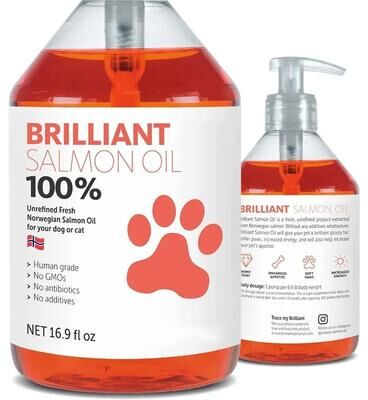
Happy Pet Pantry Premium Salmon Oil For Dogs And Cats Liquid Omega 3 Fatty Acids Pet Supplement For Skin Premium Salmon Oil For Dogs And Cats Liquid Omega 3 Fatty Acids Pet Supplement For SkinGive your furry companion the daily boost they deserve with this deeply nourishing liquid supplement, crafted for both dogs and cats. This 100ml bottle of pure salmon oil delivers concentrated omega 3 fatty acids pet supplement goodness that...32,97 $*Shipping: 0,00 $Secure redirect to the provider
-
"Fabdivine Chhatri Vintage Handwoven Organic Cotton Blanket - Block Printed Floral Bedding Throw, Artisan Home Décor, 90"" x 54"""The Chhatri Vintage Handwoven Organic Cotton Blanket is a heritage-inspired artisan throw that combines traditional handloom craftsmanship, vintage charm, and cozy home décor.124,99 $*Shipping: 0,00 $Secure redirect to the provider
-
"SHORELINE Napkins - Handmade Organic Cotton, Fair Trade, Eco-Dyed Artisan-Made by Sustainable Threads 20""x20"" (Set of 2)"SHORELINE Handwoven Organic Cotton Napkins Naturally elegant and thoughtfully crafted, the Shoreline napkins are woven from indigenous, drought-resistant organic cotton using traditional handspun yarns and botanical dyes.46,00 $*Shipping: 0,00 $Secure redirect to the provider


-
Why are simple organic acids also called alkanes acids?
Simple organic acids are also called alkanes acids because they are derived from alkanes, which are saturated hydrocarbons. These acids have a carboxyl group (-COOH) attached to an alkyl group, making them a type of alkane derivative. The simplest organic acid, formic acid, is derived from methane, the simplest alkane. The naming convention reflects the structural relationship between alkanes and organic acids. **
-
Why are simple organic acids also called alkanic acids?
Simple organic acids are also called alkanic acids because they are derived from alkanes, which are saturated hydrocarbons. These acids contain a carboxyl group (-COOH) attached to an alkyl group, which is a hydrocarbon chain. The alkyl group in these acids is derived from alkanes, hence the name alkanic acids. Examples of alkanic acids include acetic acid (derived from methane) and formic acid (derived from methanol). **
-
Are organic acids highly water-soluble?
Yes, organic acids are generally highly water-soluble. This is because organic acids contain one or more carboxyl groups, which are polar and can form hydrogen bonds with water molecules. This makes them readily dissolve in water, leading to high water solubility. Examples of highly water-soluble organic acids include acetic acid and citric acid. **
-
What are the similarities between organic and inorganic acids?
Both organic and inorganic acids are capable of donating protons, making them acidic in nature. They both can react with bases to form salts and water. Additionally, both types of acids can be strong or weak, depending on their ability to dissociate in water. **


What happens when acids come into contact with organic material?
When acids come into contact with organic material, they can react with the organic compounds, breaking them down and potentially causing damage. The acid can donate a proton to the organic material, leading to chemical changes such as hydrolysis or oxidation. This can result in the degradation of the organic material, leading to discoloration, decomposition, or even complete breakdown of the material. In some cases, the reaction between acids and organic material can also release toxic fumes or gases. **
How do inorganic acids differ from carboxylic acids?
Inorganic acids are typically derived from inorganic compounds and do not contain a carboxyl group (–COOH) like carboxylic acids. Inorganic acids are usually simpler in structure and are often strong acids, meaning they completely dissociate in water to release hydrogen ions. Carboxylic acids, on the other hand, contain a carboxyl group and are organic compounds that are typically weaker acids compared to inorganic acids. Additionally, carboxylic acids are commonly found in nature and are important in biological processes. **
Top-Angebote
Products related to Acids:
-
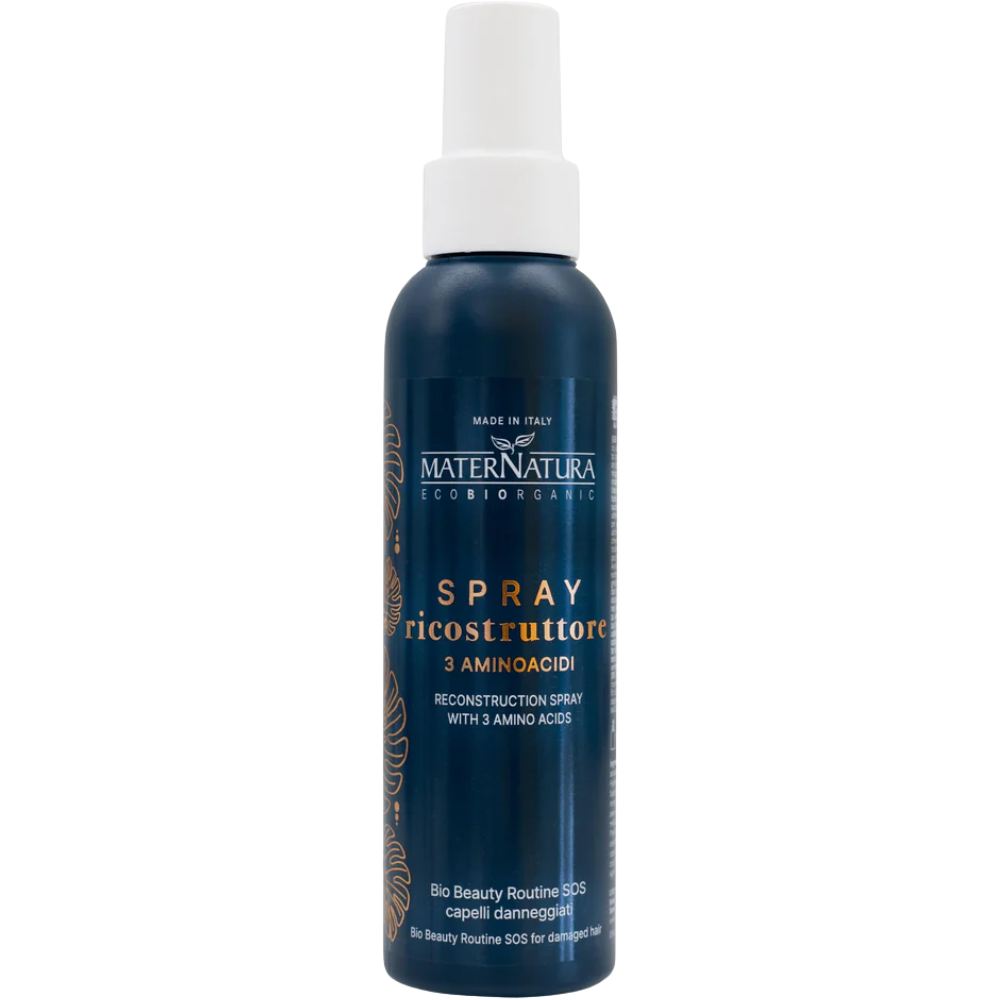
Maternatura Reconstruction Hair Spray with 3 Amino Acids 100mLA hair-care product. It an intensive leave-in treatment formulated for damaged, dry, or chemically treated hair. This lightweight spray restores strength, softness, and elasticity while protecting hair from daily stress and environmental damage. Repairs and seals split ends instantly. Strengthens and thickens the hair fiber without weighing it down.12,62 £*Shipping: 5,34 £Secure redirect to the provider
-
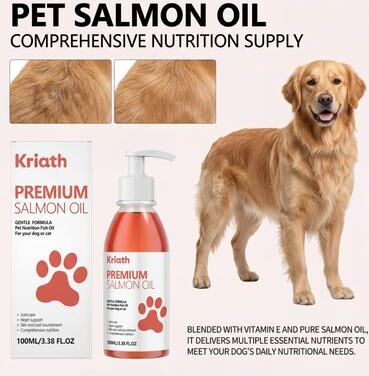
Inspired Finds Natural Salmon Fish Oil Supplement For Dogs & Cats With Omega Fatty Acids Natural Salmon Fish Oil Supplement For Dogs & Cats With Omega Fatty AcidsSupport your pets overall wellness with this nutrientrich salmon fish oil for pets formulated to help maintain healthy skin, a shiny coat, strong joints, and daily vitality. Packed with essential omega fatty acids, this easytouse liquid supplement...78,99 $*Shipping: 0,00 $Secure redirect to the provider
-
Happy Pet Pantry Premium Salmon Oil For Dogs And Cats Liquid Omega 3 Fatty Acids Pet Supplement For Skin Premium Salmon Oil For Dogs And Cats Liquid Omega 3 Fatty Acids Pet Supplement For SkinGive your furry companion the daily boost they deserve with this deeply nourishing liquid supplement, crafted for both dogs and cats. This 100ml bottle of pure salmon oil delivers concentrated omega 3 fatty acids pet supplement goodness that...32,97 $*Shipping: 0,00 $Secure redirect to the provider
-
Are organic acids, aliphatic acids, and carboxylic acids the same?
No, organic acids, aliphatic acids, and carboxylic acids are not the same. Organic acids are a broad category of acids that are derived from living organisms and can include carboxylic acids, as well as other types of acids such as phenols and sulfonic acids. Aliphatic acids are a specific subset of organic acids that are characterized by having straight or branched carbon chains. Carboxylic acids are a type of organic acid that contain a carboxyl group (COOH) and are a subset of aliphatic acids. Therefore, while all carboxylic acids are organic acids and aliphatic acids, not all organic acids or aliphatic acids are carboxylic acids. **
-
What are organic acids?
Organic acids are a class of compounds that contain one or more carboxyl groups (–COOH) attached to a carbon atom. These acids are naturally occurring in various fruits, vegetables, and other organic materials. Some common examples of organic acids include citric acid in citrus fruits, acetic acid in vinegar, and lactic acid in dairy products. Organic acids are important in various biological processes and are also used in food preservation, flavoring, and as chemical intermediates in various industries. **
-
Why are simple organic acids also called alkanes acids?
Simple organic acids are also called alkanes acids because they are derived from alkanes, which are saturated hydrocarbons. These acids have a carboxyl group (-COOH) attached to an alkyl group, making them a type of alkane derivative. The simplest organic acid, formic acid, is derived from methane, the simplest alkane. The naming convention reflects the structural relationship between alkanes and organic acids. **
-
Why are simple organic acids also called alkanic acids?
Simple organic acids are also called alkanic acids because they are derived from alkanes, which are saturated hydrocarbons. These acids contain a carboxyl group (-COOH) attached to an alkyl group, which is a hydrocarbon chain. The alkyl group in these acids is derived from alkanes, hence the name alkanic acids. Examples of alkanic acids include acetic acid (derived from methane) and formic acid (derived from methanol). **
Similar search terms for Acids
-
"Fabdivine Chhatri Vintage Handwoven Organic Cotton Blanket - Block Printed Floral Bedding Throw, Artisan Home Décor, 90"" x 54"""The Chhatri Vintage Handwoven Organic Cotton Blanket is a heritage-inspired artisan throw that combines traditional handloom craftsmanship, vintage charm, and cozy home décor.124,99 $*Shipping: 0,00 $Secure redirect to the provider
-
"SHORELINE Napkins - Handmade Organic Cotton, Fair Trade, Eco-Dyed Artisan-Made by Sustainable Threads 20""x20"" (Set of 2)"SHORELINE Handwoven Organic Cotton Napkins Naturally elegant and thoughtfully crafted, the Shoreline napkins are woven from indigenous, drought-resistant organic cotton using traditional handspun yarns and botanical dyes.46,00 $*Shipping: 0,00 $Secure redirect to the provider
-
Urban Decay Vice Lipstick Reno-LocalDiscover the ultimate Vice Lipstick, a super-pigmented, longwear vegan lipstick designed to deliver high-impact, long-lasting color in a single, hydrating swipe. This creamy, moisturizing formula ensures your lips feel nourished and hydrated, forgetting dry, flaky lip concerns thanks to the infusion of aloe vera and avocado oil—ingredients known to be rich in antioxidants. Explore 35 Los Angeles-inspired shades, encompassing everything from sheer pink and everyday nude lipstick to bold bright orange and red lipstick, available in three vibrant and comfortable finishes: cream, matte, and shine. Upgrade your makeup routine with this essential, vegan lip color that offers comfy, even coverage and a smooth application, making it the perfect choice for on-the-go beauty lovers everywhere who demand quality and hydration in their long-lasting lipsticks. Ingredients: ISONONYL ISONONANOATE, OCTYLDODECANOL, OLEYL ERUCATE, SILICA, PHENYL TRIMETHICONE, POLYETHYLENE, SESAMUM INDICUM SEED OIL / SESAME SEED OIL, PARAFFIN, CI 77491 / IRON OXIDES, CI 77891 / TITANIUM DIOXIDE, PEG-45/DODECYL GLYCOL COPOLYMER, CERA MICROCRISTALLINA / MICROCRYSTALLINE WAX / CIRE MICROCRISTALLINE, DIMETHICONE, CI 77492 / IRON OXIDES, KAOLIN, CI 77499 / IRON OXIDES, SYNTHETIC WAX, DISTEARDIMONIUM HECTORITE, TOCOPHERYL ACETATE, DIMETHICONE CROSSPOLYMER, PENTAERYTHRITYL TETRA-DI-T-BUTYL HYDROXYHYDROCINNAMATE, PERSEA GRATISSIMA OIL / AVOCADO OIL, ALUMINUM HYDROXIDE, ISOPROPYL PALMITATE, ISOPROPYL MYRISTATE, TRIETHOXYCAPRYLYLSILANE, ALOE BARBADENSIS LEAF EXTRACT, TOCOPHEROL, HYDROGENATED PALM GLYCERIDES CITRATE, HELIANTHUS ANNUUS SEED OIL / SUNFLOWER SEED OIL, ROSMARINUS OFFICINALIS LEAF EXTRACT / ROSEMARY LEAF EXTRACT.24,00 £*Shipping: 2,95 £Secure redirect to the provider
-
Are organic acids highly water-soluble?
Yes, organic acids are generally highly water-soluble. This is because organic acids contain one or more carboxyl groups, which are polar and can form hydrogen bonds with water molecules. This makes them readily dissolve in water, leading to high water solubility. Examples of highly water-soluble organic acids include acetic acid and citric acid. **
-
What are the similarities between organic and inorganic acids?
Both organic and inorganic acids are capable of donating protons, making them acidic in nature. They both can react with bases to form salts and water. Additionally, both types of acids can be strong or weak, depending on their ability to dissociate in water. **
-
What happens when acids come into contact with organic material?
When acids come into contact with organic material, they can react with the organic compounds, breaking them down and potentially causing damage. The acid can donate a proton to the organic material, leading to chemical changes such as hydrolysis or oxidation. This can result in the degradation of the organic material, leading to discoloration, decomposition, or even complete breakdown of the material. In some cases, the reaction between acids and organic material can also release toxic fumes or gases. **
-
How do inorganic acids differ from carboxylic acids?
Inorganic acids are typically derived from inorganic compounds and do not contain a carboxyl group (–COOH) like carboxylic acids. Inorganic acids are usually simpler in structure and are often strong acids, meaning they completely dissociate in water to release hydrogen ions. Carboxylic acids, on the other hand, contain a carboxyl group and are organic compounds that are typically weaker acids compared to inorganic acids. Additionally, carboxylic acids are commonly found in nature and are important in biological processes. **
* All prices are inclusive of VAT and, if applicable, plus shipping costs. The offer information is based on the details provided by the respective shop and is updated through automated processes. Real-time updates do not occur, so deviations can occur in individual cases. ** Note: Parts of this content were created by AI.