Buy iddergem.eu ?
We are moving the project
iddergem.eu .
Are you interested in purchasing the domain
iddergem.eu ?
domain@kv-gmbh.de · 0541-91531010
Buy iddergem.eu ?
At what salinity is water drinkable?
Water is considered drinkable when it has a salinity level of less than 500 mg/L (milligrams per liter). This level of salinity is generally safe for human consumption and does not pose any health risks. Water with higher salinity levels may taste salty and can have a laxative effect if consumed in large quantities. **
At what salinity level is water drinkable?
Water is considered drinkable when it has a salinity level of less than 500 mg/L (milligrams per liter). This level of salinity is considered safe for human consumption and does not pose any health risks. Higher levels of salinity can make water taste salty and can have negative effects on the body if consumed in large quantities. **


Similar search terms for Salinity
Top-Angebote
Products related to Salinity:
-
"SHORELINE Napkins - Handmade Organic Cotton, Fair Trade, Eco-Dyed Artisan-Made by Sustainable Threads 20""x20"" (Set of 2)"SHORELINE Handwoven Organic Cotton Napkins Naturally elegant and thoughtfully crafted, the Shoreline napkins are woven from indigenous, drought-resistant organic cotton using traditional handspun yarns and botanical dyes.46,00 $*Shipping: 0,00 $Secure redirect to the provider
-
"Fabdivine Chhatri Vintage Handwoven Organic Cotton Blanket - Block Printed Floral Bedding Throw, Artisan Home Décor, 90"" x 54"""The Chhatri Vintage Handwoven Organic Cotton Blanket is a heritage-inspired artisan throw that combines traditional handloom craftsmanship, vintage charm, and cozy home décor.124,99 $*Shipping: 0,00 $Secure redirect to the provider
-
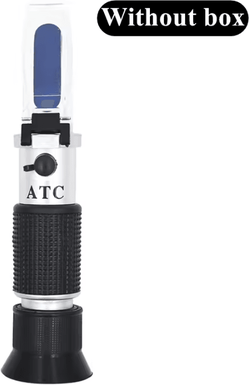
Inspire Curations Handheld Salinity Refractometer For Saltwater Aquariums without BoxMonitor saltwater conditions with confidence using this salinity refractometer designed for quick and convenient liquid testing. Its dualscale measurement allows users to check salinity from 0100 and specific gravity from 1.0001.070 SG, making...100,50 $*Shipping: 0,00 $Secure redirect to the provider


-
Why do oceans have different levels of salinity?
Oceans have different levels of salinity due to a variety of factors. One major factor is the amount of freshwater input from rivers, precipitation, and melting ice. Areas with high freshwater input tend to have lower salinity levels, while areas with high evaporation rates and limited freshwater input have higher salinity levels. Additionally, ocean currents can also play a role in distributing and mixing saltwater, leading to variations in salinity levels across different regions of the ocean. Finally, the temperature of the water can also affect salinity, as warmer water can hold more salt than colder water. **
-
Could very many artificial freshwater lakes possibly have an impact on the salinity of the seas?
Yes, the creation of very many artificial freshwater lakes could potentially have an impact on the salinity of the seas. This is because the water that would have otherwise flowed into the sea is being diverted to these lakes, reducing the amount of freshwater entering the sea. As a result, the salinity of the sea could increase due to the imbalance in the water cycle. Additionally, the reduced freshwater flow into the sea could also impact the ecosystems and marine life that rely on a certain level of salinity for survival. **
-
Can the expansion of seawater desalination plants meet the freshwater needs of humanity and simultaneously increase the salinity concentration of seawater?
While seawater desalination plants can help meet the freshwater needs of humanity, their expansion can also lead to an increase in the salinity concentration of seawater. This is because the process of desalination removes freshwater from seawater, leaving behind a more concentrated brine that is often discharged back into the ocean. If not properly managed, this discharge can contribute to the overall salinization of seawater. Therefore, it is important to consider the environmental impacts and sustainability of seawater desalination projects to ensure they do not exacerbate salinity issues in the long term. **
-
What are floral diagrams and floral formulas?
Floral diagrams and floral formulas are tools used by botanists to represent the structure and arrangement of floral parts in a standardized and concise manner. Floral diagrams are graphical representations of a flower's structure, showing the relative position and number of floral parts such as sepals, petals, stamens, and carpels. On the other hand, floral formulas are shorthand notations that use symbols and numbers to represent the same information as the floral diagram, including the symmetry, fusion, and number of each floral part. Both floral diagrams and floral formulas are useful for comparing the floral structures of different plant species and for studying floral evolution and diversity. **


Can one sell their organic vegetables to a local supermarket?
Yes, it is possible for someone to sell their organic vegetables to a local supermarket. Many supermarkets are interested in offering organic produce to their customers and may be open to purchasing from local farmers and growers. However, there may be specific requirements and regulations that need to be met in order to sell to a supermarket, such as obtaining the necessary certifications and meeting quality standards. It is important to research and reach out to the specific supermarket to understand their purchasing process and requirements. **
Can the expansion of seawater desalination plants cover the freshwater needs of humanity and at the same time increase the salinity concentration of seawater?
The expansion of seawater desalination plants can help cover the freshwater needs of humanity, especially in regions facing water scarcity. However, the process of desalination can also increase the salinity concentration of seawater, which can have negative impacts on marine ecosystems and coastal environments. Therefore, it is important to carefully consider the environmental implications of expanding desalination plants and to explore sustainable water management strategies that minimize the potential negative effects on the marine environment. Additionally, it is important to consider the energy and cost implications of scaling up desalination to meet global freshwater needs. **
Top-Angebote
Products related to Salinity:
-
Inspire Curations Handheld Salinity Refractometer For Saltwater Aquariums with BoxMonitor saltwater conditions with confidence using this salinity refractometer designed for quick and convenient liquid testing. Its dualscale measurement allows users to check salinity from 0100 and specific gravity from 1.0001.070 SG, making...133,00 $*Shipping: 0,00 $Secure redirect to the provider
-
"SHORELINE Napkins - Handmade Organic Cotton, Fair Trade, Eco-Dyed Artisan-Made by Sustainable Threads 20""x20"" (Set of 2)"SHORELINE Handwoven Organic Cotton Napkins Naturally elegant and thoughtfully crafted, the Shoreline napkins are woven from indigenous, drought-resistant organic cotton using traditional handspun yarns and botanical dyes.46,00 $*Shipping: 0,00 $Secure redirect to the provider
-
"Fabdivine Chhatri Vintage Handwoven Organic Cotton Blanket - Block Printed Floral Bedding Throw, Artisan Home Décor, 90"" x 54"""The Chhatri Vintage Handwoven Organic Cotton Blanket is a heritage-inspired artisan throw that combines traditional handloom craftsmanship, vintage charm, and cozy home décor.124,99 $*Shipping: 0,00 $Secure redirect to the provider
-
At what salinity is water drinkable?
Water is considered drinkable when it has a salinity level of less than 500 mg/L (milligrams per liter). This level of salinity is generally safe for human consumption and does not pose any health risks. Water with higher salinity levels may taste salty and can have a laxative effect if consumed in large quantities. **
-
At what salinity level is water drinkable?
Water is considered drinkable when it has a salinity level of less than 500 mg/L (milligrams per liter). This level of salinity is considered safe for human consumption and does not pose any health risks. Higher levels of salinity can make water taste salty and can have negative effects on the body if consumed in large quantities. **
-
Why do oceans have different levels of salinity?
Oceans have different levels of salinity due to a variety of factors. One major factor is the amount of freshwater input from rivers, precipitation, and melting ice. Areas with high freshwater input tend to have lower salinity levels, while areas with high evaporation rates and limited freshwater input have higher salinity levels. Additionally, ocean currents can also play a role in distributing and mixing saltwater, leading to variations in salinity levels across different regions of the ocean. Finally, the temperature of the water can also affect salinity, as warmer water can hold more salt than colder water. **
-
Could very many artificial freshwater lakes possibly have an impact on the salinity of the seas?
Yes, the creation of very many artificial freshwater lakes could potentially have an impact on the salinity of the seas. This is because the water that would have otherwise flowed into the sea is being diverted to these lakes, reducing the amount of freshwater entering the sea. As a result, the salinity of the sea could increase due to the imbalance in the water cycle. Additionally, the reduced freshwater flow into the sea could also impact the ecosystems and marine life that rely on a certain level of salinity for survival. **
Similar search terms for Salinity
-
Inspire Curations Handheld Salinity Refractometer For Saltwater Aquariums without BoxMonitor saltwater conditions with confidence using this salinity refractometer designed for quick and convenient liquid testing. Its dualscale measurement allows users to check salinity from 0100 and specific gravity from 1.0001.070 SG, making...100,50 $*Shipping: 0,00 $Secure redirect to the provider
-
Can the expansion of seawater desalination plants meet the freshwater needs of humanity and simultaneously increase the salinity concentration of seawater?
While seawater desalination plants can help meet the freshwater needs of humanity, their expansion can also lead to an increase in the salinity concentration of seawater. This is because the process of desalination removes freshwater from seawater, leaving behind a more concentrated brine that is often discharged back into the ocean. If not properly managed, this discharge can contribute to the overall salinization of seawater. Therefore, it is important to consider the environmental impacts and sustainability of seawater desalination projects to ensure they do not exacerbate salinity issues in the long term. **
-
What are floral diagrams and floral formulas?
Floral diagrams and floral formulas are tools used by botanists to represent the structure and arrangement of floral parts in a standardized and concise manner. Floral diagrams are graphical representations of a flower's structure, showing the relative position and number of floral parts such as sepals, petals, stamens, and carpels. On the other hand, floral formulas are shorthand notations that use symbols and numbers to represent the same information as the floral diagram, including the symmetry, fusion, and number of each floral part. Both floral diagrams and floral formulas are useful for comparing the floral structures of different plant species and for studying floral evolution and diversity. **
-
Can one sell their organic vegetables to a local supermarket?
Yes, it is possible for someone to sell their organic vegetables to a local supermarket. Many supermarkets are interested in offering organic produce to their customers and may be open to purchasing from local farmers and growers. However, there may be specific requirements and regulations that need to be met in order to sell to a supermarket, such as obtaining the necessary certifications and meeting quality standards. It is important to research and reach out to the specific supermarket to understand their purchasing process and requirements. **
-
Can the expansion of seawater desalination plants cover the freshwater needs of humanity and at the same time increase the salinity concentration of seawater?
The expansion of seawater desalination plants can help cover the freshwater needs of humanity, especially in regions facing water scarcity. However, the process of desalination can also increase the salinity concentration of seawater, which can have negative impacts on marine ecosystems and coastal environments. Therefore, it is important to carefully consider the environmental implications of expanding desalination plants and to explore sustainable water management strategies that minimize the potential negative effects on the marine environment. Additionally, it is important to consider the energy and cost implications of scaling up desalination to meet global freshwater needs. **
* All prices are inclusive of VAT and, if applicable, plus shipping costs. The offer information is based on the details provided by the respective shop and is updated through automated processes. Real-time updates do not occur, so deviations can occur in individual cases. ** Note: Parts of this content were created by AI.