Buy iddergem.eu ?
We are moving the project
iddergem.eu .
Are you interested in purchasing the domain
iddergem.eu ?
domain@kv-gmbh.de · 0541-91531010
Buy iddergem.eu ?
What do nobles live on?
Nobles typically live on the income generated from their land holdings, investments, and business ventures. They may also receive income from rents, royalties, and other sources of wealth. In addition, some nobles may hold positions in government or receive stipends from the royal family. Overall, the lifestyle of nobles is supported by their inherited wealth and the privileges that come with their social status. **
Are all nobles related in heraldry?
No, not all nobles are related in heraldry. Heraldry is a system of visual identification that developed in the Middle Ages to distinguish individuals and families. While many noble families may share a common ancestry or lineage, not all nobles are directly related to each other. Each noble family has its own unique coat of arms and heraldic symbols that represent their individual identity and history. Therefore, while there may be connections and relationships between noble families, not all nobles are related in heraldry. **

Similar search terms for Nobles
Top-Angebote
Products related to Nobles:
-
"SHORELINE Napkins - Handmade Organic Cotton, Fair Trade, Eco-Dyed Artisan-Made by Sustainable Threads 20""x20"" (Set of 2)"SHORELINE Handwoven Organic Cotton Napkins Naturally elegant and thoughtfully crafted, the Shoreline napkins are woven from indigenous, drought-resistant organic cotton using traditional handspun yarns and botanical dyes.46,00 $*Shipping: 0,00 $Secure redirect to the provider
-
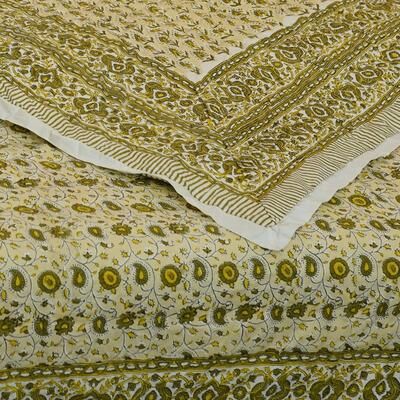
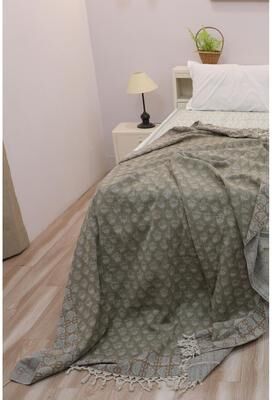
"Fabdivine Chhatri Vintage Handwoven Organic Cotton Blanket - Block Printed Floral Bedding Throw, Artisan Home Décor, 90"" x 54"""The Chhatri Vintage Handwoven Organic Cotton Blanket is a heritage-inspired artisan throw that combines traditional handloom craftsmanship, vintage charm, and cozy home décor.124,99 $*Shipping: 0,00 $Secure redirect to the provider


-
Have all nobles completed a degree?
No, not all nobles have completed a degree. While some nobles may have pursued higher education and obtained a degree, it is not a requirement for nobility. Many nobles may choose to pursue other paths such as military service, public service, or business ventures instead of pursuing a formal degree. Additionally, some nobles may have inherited their titles and responsibilities at a young age, making it difficult for them to pursue a traditional degree. **
-
What is the Cathedral of the Nobles?
The Cathedral of the Nobles is a historic church located in the city of Valencia, Spain. It was built in the 13th century and is known for its impressive Gothic architecture, including its ornate facade and stunning interior. The cathedral is also home to numerous works of art, including paintings and sculptures, and is an important cultural and religious landmark in Valencia. It is a popular tourist attraction and a significant symbol of the city's history and heritage. **
-
How do nobles actually earn their money?
Nobles typically earn their money through various means such as owning land and collecting rent from tenants, investing in businesses or industries, receiving income from inherited wealth or family estates, and participating in trade or commerce. Additionally, some nobles may hold positions in government or the military that come with financial benefits or receive payments for their services. Overall, the wealth of nobles is often derived from a combination of inherited assets, investments, and active participation in economic activities. **
-
What are the surnames of old English nobles?
Some common surnames of old English nobles include Plantagenet, Tudor, Stuart, Lancaster, and York. These surnames are associated with prominent noble families that played significant roles in English history, particularly during the medieval and early modern periods. These families often held titles such as king, queen, duke, earl, or baron, and their surnames are still recognized today for their historical importance. **

What do the nobles actually earn their money with?
Nobles typically earn their money through various means such as land ownership, investments, business ventures, and inheritance. Many nobles come from wealthy families with extensive land holdings that generate income through agriculture, rental properties, or natural resource extraction. Others may invest in stocks, bonds, or other financial instruments to grow their wealth. Additionally, some nobles may run successful businesses or receive income from royalties, titles, or other inherited assets. **
How do nobles find the ages 14 and 16?
Nobles typically find the ages 14 and 16 through traditional coming-of-age ceremonies and celebrations. At the age of 14, many nobles have a ceremony to mark the transition from childhood to adolescence, often including special rituals or events to signify the increased responsibilities and expectations that come with this age. At 16, nobles may have another ceremony to mark the transition into young adulthood, often including more formal events and possibly even the bestowing of certain privileges or responsibilities. These ages are important milestones in the lives of nobles, and the ceremonies surrounding them are often steeped in tradition and significance. **
Top-Angebote
Products related to Nobles:
-
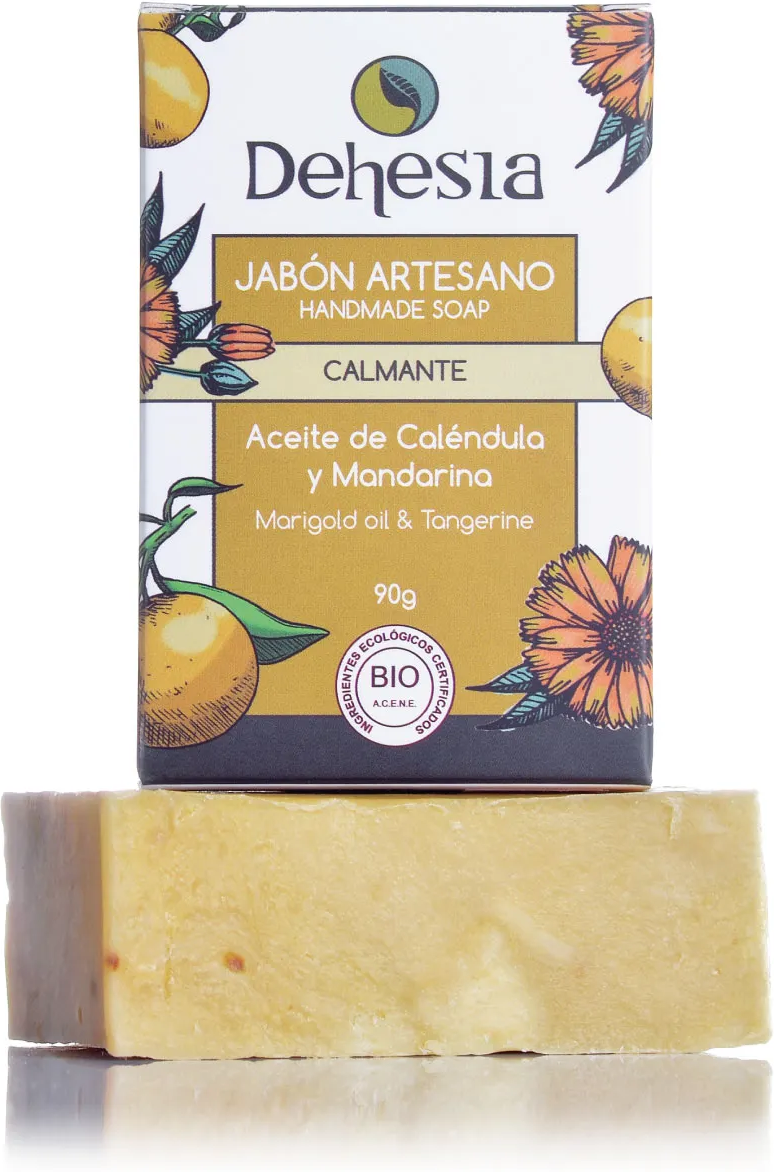
Dehesia Organic Soothing Artisan Soap 100 grHealth and Beauty Corporal hygiene Dehesia Organic Soothing Artisan Soap 100 gr What is Dehesia Organic Soothing Handmade Soap 100g? Dehesia Organic Soothing Artisan Soap 100g is a natural product specially designed to care for and protect the skin. Made with selected organic ingredients, this artisan soap combines moisturizing and softening properties, offering a unique cleansing experience. Its organic formula focuses on minimizing the use of harmful chemicals, making it a perfect choice for those seeking products that respect the environment and their health. This soap, weighing 100 grams, is ideal for both daily use and relaxing moments. Benefits: The benefits of Dehesia Organic Soothing Artisan Soap are multiple and notable: • **Deep hydration:** Its formula rich in natural oils provides intense hydration, leaving the skin soft and nourished. • **Soothing properties:** Perfect for sensitive skin, helps reduce irritation and redness. • **Antioxidant effect:** Organic ingredients help protect the skin from free radicals, promoting a healthier complexion. • **Relaxing aroma:** Its natural fragrance provides a feeling of well-being and calm, ideal for moments of stress. • **Versatile Use:** Suitable for all skin types, making it perfect for the whole family. Who is it for? Dehesia Organic Soothing Handmade Soap 100 gr is ideal for: • **People with sensitive skin:** Its gentle formula is perfect for those who suffer from skin reactions. • **Natural Lovers:** For those who prefer products without harmful chemicals and with organic ingredients. • **Families:** Safe for use by adults and children, providing care for the entire family's skin. • **People seeking relaxation:** Ideal for those seeking a moment of tranquility through its aroma and calming properties. How do I apply it? Using Dehesia Organic Soothing Artisan Soap is very simple: 1. **Moisten your skin:** Wet your skin with warm water to open your pores and prepare your skin for cleansing. 2. **Apply the soap:** Rub the soap between your hands or directly onto your skin to create a gentle lather. 3. **Massage:** Apply the foam in circular movements for a deep and relaxing cleansing. 4. **Rinse:** Rinse with plenty of water to remove the soap and enjoy the softness it leaves behind. 5. **Dry gently:** Use a clean towel to dry your skin without rubbing. Buy Dehesia Organic Soothing Artisan Soap 100 gr If you're looking for a soap that combines quality, effectiveness, and respect for the environment, don't hesitate to buy Dehesia Organic Soothing Artisanal Soap 100g. This product not only cares for your skin but also contributes to the well-being of the planet. Visit our online store and experience the benefits of this wonderful soap. Your skin will thank you! Discover Dehesia Organic Soothing Artisanal Soap 100g, the natural care your skin needs. Buy now!3,23 £*Shipping: 3,99 £Secure redirect to the provider
-
"SHORELINE Napkins - Handmade Organic Cotton, Fair Trade, Eco-Dyed Artisan-Made by Sustainable Threads 20""x20"" (Set of 2)"SHORELINE Handwoven Organic Cotton Napkins Naturally elegant and thoughtfully crafted, the Shoreline napkins are woven from indigenous, drought-resistant organic cotton using traditional handspun yarns and botanical dyes.46,00 $*Shipping: 0,00 $Secure redirect to the provider
-
What do nobles live on?
Nobles typically live on the income generated from their land holdings, investments, and business ventures. They may also receive income from rents, royalties, and other sources of wealth. In addition, some nobles may hold positions in government or receive stipends from the royal family. Overall, the lifestyle of nobles is supported by their inherited wealth and the privileges that come with their social status. **
-
Are all nobles related in heraldry?
No, not all nobles are related in heraldry. Heraldry is a system of visual identification that developed in the Middle Ages to distinguish individuals and families. While many noble families may share a common ancestry or lineage, not all nobles are directly related to each other. Each noble family has its own unique coat of arms and heraldic symbols that represent their individual identity and history. Therefore, while there may be connections and relationships between noble families, not all nobles are related in heraldry. **
-
Have all nobles completed a degree?
No, not all nobles have completed a degree. While some nobles may have pursued higher education and obtained a degree, it is not a requirement for nobility. Many nobles may choose to pursue other paths such as military service, public service, or business ventures instead of pursuing a formal degree. Additionally, some nobles may have inherited their titles and responsibilities at a young age, making it difficult for them to pursue a traditional degree. **
-
What is the Cathedral of the Nobles?
The Cathedral of the Nobles is a historic church located in the city of Valencia, Spain. It was built in the 13th century and is known for its impressive Gothic architecture, including its ornate facade and stunning interior. The cathedral is also home to numerous works of art, including paintings and sculptures, and is an important cultural and religious landmark in Valencia. It is a popular tourist attraction and a significant symbol of the city's history and heritage. **
Similar search terms for Nobles
-
"Fabdivine Chhatri Vintage Handwoven Organic Cotton Blanket - Block Printed Floral Bedding Throw, Artisan Home Décor, 90"" x 54"""The Chhatri Vintage Handwoven Organic Cotton Blanket is a heritage-inspired artisan throw that combines traditional handloom craftsmanship, vintage charm, and cozy home décor.124,99 $*Shipping: 0,00 $Secure redirect to the provider
-
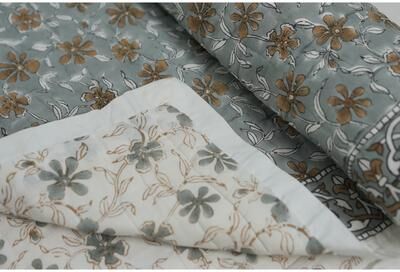
Fabdivine Hand Block Print Blue White Floral 100% Cotton Quilt - Handmade Reversible Organic Boho Bedding for Bedroom & SofaEnhance your bedroom or living space with the timeless charm of the Fabdivine Hand Block Print Blue White Floral Cotton Quilt.334,99 $*Shipping: 0,00 $Secure redirect to the provider
-
How do nobles actually earn their money?
Nobles typically earn their money through various means such as owning land and collecting rent from tenants, investing in businesses or industries, receiving income from inherited wealth or family estates, and participating in trade or commerce. Additionally, some nobles may hold positions in government or the military that come with financial benefits or receive payments for their services. Overall, the wealth of nobles is often derived from a combination of inherited assets, investments, and active participation in economic activities. **
-
What are the surnames of old English nobles?
Some common surnames of old English nobles include Plantagenet, Tudor, Stuart, Lancaster, and York. These surnames are associated with prominent noble families that played significant roles in English history, particularly during the medieval and early modern periods. These families often held titles such as king, queen, duke, earl, or baron, and their surnames are still recognized today for their historical importance. **
-
What do the nobles actually earn their money with?
Nobles typically earn their money through various means such as land ownership, investments, business ventures, and inheritance. Many nobles come from wealthy families with extensive land holdings that generate income through agriculture, rental properties, or natural resource extraction. Others may invest in stocks, bonds, or other financial instruments to grow their wealth. Additionally, some nobles may run successful businesses or receive income from royalties, titles, or other inherited assets. **
-
How do nobles find the ages 14 and 16?
Nobles typically find the ages 14 and 16 through traditional coming-of-age ceremonies and celebrations. At the age of 14, many nobles have a ceremony to mark the transition from childhood to adolescence, often including special rituals or events to signify the increased responsibilities and expectations that come with this age. At 16, nobles may have another ceremony to mark the transition into young adulthood, often including more formal events and possibly even the bestowing of certain privileges or responsibilities. These ages are important milestones in the lives of nobles, and the ceremonies surrounding them are often steeped in tradition and significance. **
* All prices are inclusive of VAT and, if applicable, plus shipping costs. The offer information is based on the details provided by the respective shop and is updated through automated processes. Real-time updates do not occur, so deviations can occur in individual cases. ** Note: Parts of this content were created by AI.