Buy iddergem.eu ?
We are moving the project
iddergem.eu .
Are you interested in purchasing the domain
iddergem.eu ?
domain@kv-gmbh.de · 0541-91531010
Buy iddergem.eu ?
How can the Eskimos survive?
The Eskimos have developed a range of survival strategies to thrive in their harsh Arctic environment. They rely on hunting and fishing for their food, using traditional tools and techniques to catch seals, whales, and fish. They also make use of the entire animal, using the meat for food, the fur for clothing and shelter, and the bones for tools and weapons. Additionally, they have a deep knowledge of their environment and its resources, allowing them to adapt to the extreme cold and limited vegetation. Finally, they have a strong sense of community and cooperation, working together to share resources and support each other in their challenging environment. **
Where do the Eskimos live?
The Eskimos, also known as the Inuit, primarily live in the Arctic regions of Canada, Alaska, Greenland, and Siberia. They have adapted to the harsh conditions of the Arctic and have developed unique cultural traditions and ways of life that are closely tied to the environment. Their communities are often located in remote areas, and they rely on hunting, fishing, and gathering for their sustenance. **

Similar search terms for Eskimos
Top-Angebote
Products related to Eskimos:
-
"SHORELINE Napkins - Handmade Organic Cotton, Fair Trade, Eco-Dyed Artisan-Made by Sustainable Threads 20""x20"" (Set of 2)"SHORELINE Handwoven Organic Cotton Napkins Naturally elegant and thoughtfully crafted, the Shoreline napkins are woven from indigenous, drought-resistant organic cotton using traditional handspun yarns and botanical dyes.46,00 $*Shipping: 0,00 $Secure redirect to the provider
-
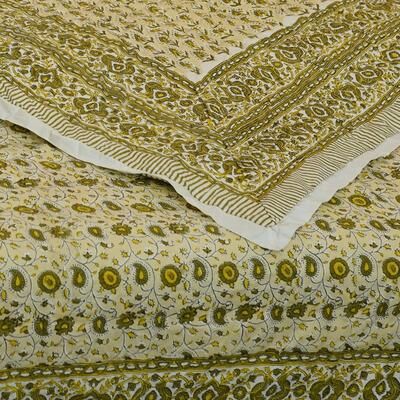
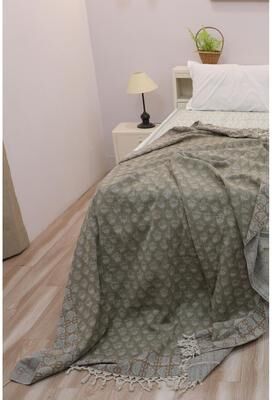
"Fabdivine Chhatri Vintage Handwoven Organic Cotton Blanket - Block Printed Floral Bedding Throw, Artisan Home Décor, 90"" x 54"""The Chhatri Vintage Handwoven Organic Cotton Blanket is a heritage-inspired artisan throw that combines traditional handloom craftsmanship, vintage charm, and cozy home décor.124,99 $*Shipping: 0,00 $Secure redirect to the provider


-
Are there Eskimos in Russia?
Yes, there are Eskimos in Russia. They are known as the Yupik people and primarily live in the Chukotka region of northeastern Russia, as well as in parts of Alaska and Siberia. The Yupik people have a rich cultural heritage and have traditionally relied on hunting, fishing, and gathering for their livelihood. They have also faced challenges due to the changing climate and its impact on their traditional way of life. **
-
Why are Eskimos so small?
Eskimos are not inherently small; rather, their average height is influenced by a combination of genetic, environmental, and nutritional factors. Genetic factors can play a role in determining height, but environmental and nutritional factors, such as living in cold climates and limited access to certain foods, can also impact growth and development. Additionally, historical and cultural factors may have influenced the average height of Eskimo populations. Overall, the size of Eskimos is likely the result of a complex interplay of various factors rather than a single cause. **
-
What do Eskimos do during Ramadan?
Eskimos, who are indigenous people living in the Arctic regions, may not observe Ramadan as it is a religious practice in Islam. The majority of Eskimos traditionally follow their own spiritual beliefs and cultural practices, which may not include fasting or observing Ramadan. However, there may be some individuals or families within the Eskimo community who have converted to Islam and choose to observe Ramadan in their own way. Overall, the observance of Ramadan among Eskimos would vary based on individual beliefs and cultural background. **
-
What is the difference between Eskimos and Inuit?
The term "Eskimo" is a broad, outdated, and sometimes considered offensive term that was historically used to refer to the indigenous peoples inhabiting the Arctic regions of North America and Greenland. Inuit, on the other hand, is a specific term used to refer to the indigenous peoples of the Arctic regions of Canada and Greenland. Inuit is a more culturally sensitive and accurate term to use when referring to these specific indigenous groups, while Eskimo is a more general and outdated term. **

What is the creation story of the Eskimos?
The creation story of the Eskimos, also known as the Inuit people, varies among different Inuit groups. However, a common theme in many of their creation stories is the belief that the world was created by a powerful being or deity. Some stories involve a creator god shaping the earth and creating humans out of clay or ice. Others tell of a great flood that cleansed the earth and allowed for a new beginning. Overall, these stories emphasize the close connection between the Inuit people, the natural world, and the spiritual realm. **
Why are Inuit or Eskimos not white and blond?
Inuit or Eskimos are not white and blond because they have adapted to living in the Arctic regions where there is less sunlight. This has led to their skin becoming darker to better absorb sunlight and prevent conditions like sunburn. Additionally, their hair is typically dark to provide better insulation and protection from the cold temperatures in their environment. These physical adaptations have developed over generations to help them survive in their harsh climate. **
Top-Angebote
Products related to Eskimos:
-
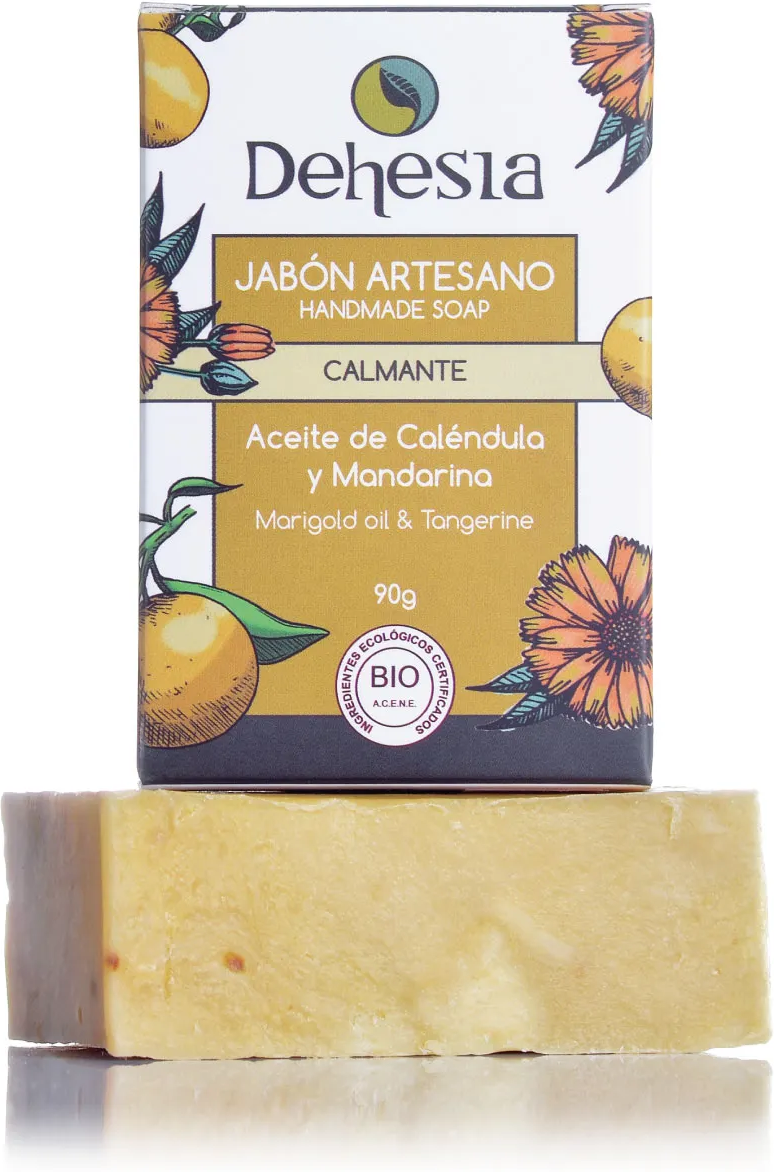
Dehesia Organic Soothing Artisan Soap 100 grHealth and Beauty Corporal hygiene Dehesia Organic Soothing Artisan Soap 100 gr What is Dehesia Organic Soothing Handmade Soap 100g? Dehesia Organic Soothing Artisan Soap 100g is a natural product specially designed to care for and protect the skin. Made with selected organic ingredients, this artisan soap combines moisturizing and softening properties, offering a unique cleansing experience. Its organic formula focuses on minimizing the use of harmful chemicals, making it a perfect choice for those seeking products that respect the environment and their health. This soap, weighing 100 grams, is ideal for both daily use and relaxing moments. Benefits: The benefits of Dehesia Organic Soothing Artisan Soap are multiple and notable: • **Deep hydration:** Its formula rich in natural oils provides intense hydration, leaving the skin soft and nourished. • **Soothing properties:** Perfect for sensitive skin, helps reduce irritation and redness. • **Antioxidant effect:** Organic ingredients help protect the skin from free radicals, promoting a healthier complexion. • **Relaxing aroma:** Its natural fragrance provides a feeling of well-being and calm, ideal for moments of stress. • **Versatile Use:** Suitable for all skin types, making it perfect for the whole family. Who is it for? Dehesia Organic Soothing Handmade Soap 100 gr is ideal for: • **People with sensitive skin:** Its gentle formula is perfect for those who suffer from skin reactions. • **Natural Lovers:** For those who prefer products without harmful chemicals and with organic ingredients. • **Families:** Safe for use by adults and children, providing care for the entire family's skin. • **People seeking relaxation:** Ideal for those seeking a moment of tranquility through its aroma and calming properties. How do I apply it? Using Dehesia Organic Soothing Artisan Soap is very simple: 1. **Moisten your skin:** Wet your skin with warm water to open your pores and prepare your skin for cleansing. 2. **Apply the soap:** Rub the soap between your hands or directly onto your skin to create a gentle lather. 3. **Massage:** Apply the foam in circular movements for a deep and relaxing cleansing. 4. **Rinse:** Rinse with plenty of water to remove the soap and enjoy the softness it leaves behind. 5. **Dry gently:** Use a clean towel to dry your skin without rubbing. Buy Dehesia Organic Soothing Artisan Soap 100 gr If you're looking for a soap that combines quality, effectiveness, and respect for the environment, don't hesitate to buy Dehesia Organic Soothing Artisanal Soap 100g. This product not only cares for your skin but also contributes to the well-being of the planet. Visit our online store and experience the benefits of this wonderful soap. Your skin will thank you! Discover Dehesia Organic Soothing Artisanal Soap 100g, the natural care your skin needs. Buy now!3,23 £*Shipping: 3,99 £Secure redirect to the provider
-
"SHORELINE Napkins - Handmade Organic Cotton, Fair Trade, Eco-Dyed Artisan-Made by Sustainable Threads 20""x20"" (Set of 2)"SHORELINE Handwoven Organic Cotton Napkins Naturally elegant and thoughtfully crafted, the Shoreline napkins are woven from indigenous, drought-resistant organic cotton using traditional handspun yarns and botanical dyes.46,00 $*Shipping: 0,00 $Secure redirect to the provider
-
How can the Eskimos survive?
The Eskimos have developed a range of survival strategies to thrive in their harsh Arctic environment. They rely on hunting and fishing for their food, using traditional tools and techniques to catch seals, whales, and fish. They also make use of the entire animal, using the meat for food, the fur for clothing and shelter, and the bones for tools and weapons. Additionally, they have a deep knowledge of their environment and its resources, allowing them to adapt to the extreme cold and limited vegetation. Finally, they have a strong sense of community and cooperation, working together to share resources and support each other in their challenging environment. **
-
Where do the Eskimos live?
The Eskimos, also known as the Inuit, primarily live in the Arctic regions of Canada, Alaska, Greenland, and Siberia. They have adapted to the harsh conditions of the Arctic and have developed unique cultural traditions and ways of life that are closely tied to the environment. Their communities are often located in remote areas, and they rely on hunting, fishing, and gathering for their sustenance. **
-
Are there Eskimos in Russia?
Yes, there are Eskimos in Russia. They are known as the Yupik people and primarily live in the Chukotka region of northeastern Russia, as well as in parts of Alaska and Siberia. The Yupik people have a rich cultural heritage and have traditionally relied on hunting, fishing, and gathering for their livelihood. They have also faced challenges due to the changing climate and its impact on their traditional way of life. **
-
Why are Eskimos so small?
Eskimos are not inherently small; rather, their average height is influenced by a combination of genetic, environmental, and nutritional factors. Genetic factors can play a role in determining height, but environmental and nutritional factors, such as living in cold climates and limited access to certain foods, can also impact growth and development. Additionally, historical and cultural factors may have influenced the average height of Eskimo populations. Overall, the size of Eskimos is likely the result of a complex interplay of various factors rather than a single cause. **
Similar search terms for Eskimos
-
"Fabdivine Chhatri Vintage Handwoven Organic Cotton Blanket - Block Printed Floral Bedding Throw, Artisan Home Décor, 90"" x 54"""The Chhatri Vintage Handwoven Organic Cotton Blanket is a heritage-inspired artisan throw that combines traditional handloom craftsmanship, vintage charm, and cozy home décor.124,99 $*Shipping: 0,00 $Secure redirect to the provider
-
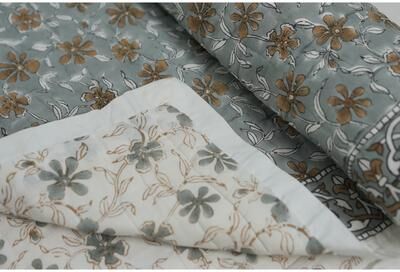
Fabdivine Hand Block Print Blue White Floral 100% Cotton Quilt - Handmade Reversible Organic Boho Bedding for Bedroom & SofaEnhance your bedroom or living space with the timeless charm of the Fabdivine Hand Block Print Blue White Floral Cotton Quilt.334,99 $*Shipping: 0,00 $Secure redirect to the provider
-
What do Eskimos do during Ramadan?
Eskimos, who are indigenous people living in the Arctic regions, may not observe Ramadan as it is a religious practice in Islam. The majority of Eskimos traditionally follow their own spiritual beliefs and cultural practices, which may not include fasting or observing Ramadan. However, there may be some individuals or families within the Eskimo community who have converted to Islam and choose to observe Ramadan in their own way. Overall, the observance of Ramadan among Eskimos would vary based on individual beliefs and cultural background. **
-
What is the difference between Eskimos and Inuit?
The term "Eskimo" is a broad, outdated, and sometimes considered offensive term that was historically used to refer to the indigenous peoples inhabiting the Arctic regions of North America and Greenland. Inuit, on the other hand, is a specific term used to refer to the indigenous peoples of the Arctic regions of Canada and Greenland. Inuit is a more culturally sensitive and accurate term to use when referring to these specific indigenous groups, while Eskimo is a more general and outdated term. **
-
What is the creation story of the Eskimos?
The creation story of the Eskimos, also known as the Inuit people, varies among different Inuit groups. However, a common theme in many of their creation stories is the belief that the world was created by a powerful being or deity. Some stories involve a creator god shaping the earth and creating humans out of clay or ice. Others tell of a great flood that cleansed the earth and allowed for a new beginning. Overall, these stories emphasize the close connection between the Inuit people, the natural world, and the spiritual realm. **
-
Why are Inuit or Eskimos not white and blond?
Inuit or Eskimos are not white and blond because they have adapted to living in the Arctic regions where there is less sunlight. This has led to their skin becoming darker to better absorb sunlight and prevent conditions like sunburn. Additionally, their hair is typically dark to provide better insulation and protection from the cold temperatures in their environment. These physical adaptations have developed over generations to help them survive in their harsh climate. **
* All prices are inclusive of VAT and, if applicable, plus shipping costs. The offer information is based on the details provided by the respective shop and is updated through automated processes. Real-time updates do not occur, so deviations can occur in individual cases. ** Note: Parts of this content were created by AI.