Buy iddergem.eu ?
We are moving the project
iddergem.eu .
Are you interested in purchasing the domain
iddergem.eu ?
domain@kv-gmbh.de · 0541-91531010
Buy iddergem.eu ?
What is compartmentalization in biology?
Compartmentalization in biology refers to the organization of cells into specialized compartments or organelles, each with specific functions. These compartments help to separate different biochemical processes within the cell, allowing for more efficient and controlled cellular activities. Examples of compartmentalization include the nucleus, mitochondria, and endoplasmic reticulum, each of which carries out specific functions essential for the cell's survival and functioning. This organization is crucial for maintaining cellular homeostasis and ensuring proper cellular function. **
What is compartmentalization in cellular respiration?
Compartmentalization in cellular respiration refers to the organization of different metabolic processes into specific compartments within the cell. In eukaryotic cells, cellular respiration occurs in different organelles such as the cytoplasm, mitochondria, and chloroplasts. Each organelle plays a specific role in the overall process of cellular respiration, with different compartments carrying out different steps of the metabolic pathway. This compartmentalization allows for efficient coordination of the various reactions involved in cellular respiration and helps to optimize energy production within the cell. **


Similar search terms for Compartmentalization
Top-Angebote
Products related to Compartmentalization:
-
"SHORELINE Napkins - Handmade Organic Cotton, Fair Trade, Eco-Dyed Artisan-Made by Sustainable Threads 20""x20"" (Set of 2)"SHORELINE Handwoven Organic Cotton Napkins Naturally elegant and thoughtfully crafted, the Shoreline napkins are woven from indigenous, drought-resistant organic cotton using traditional handspun yarns and botanical dyes.46,00 $*Shipping: 0,00 $Secure redirect to the provider
-
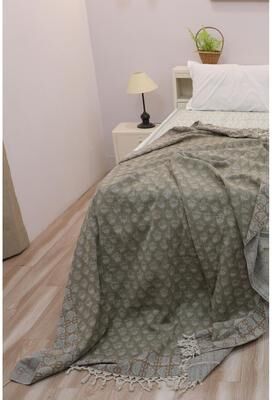
"Fabdivine Chhatri Vintage Handwoven Organic Cotton Blanket - Block Printed Floral Bedding Throw, Artisan Home Décor, 90"" x 54"""The Chhatri Vintage Handwoven Organic Cotton Blanket is a heritage-inspired artisan throw that combines traditional handloom craftsmanship, vintage charm, and cozy home décor.124,99 $*Shipping: 0,00 $Secure redirect to the provider



-
What is the principle of compartmentalization?
The principle of compartmentalization is the concept of dividing a system or organization into separate, distinct compartments or sections. Each compartment is designed to have its own specific function and purpose, and is often isolated from other compartments to prevent interference or contamination. This principle is commonly applied in various fields such as biology, business, and engineering to improve efficiency, organization, and security. By compartmentalizing different aspects of a system, it becomes easier to manage and control each compartment independently, leading to better overall performance and functionality. **
-
What is compartmentalization in the cell?
Compartmentalization in the cell refers to the organization of different cellular processes and structures into distinct compartments or organelles. This allows for the separation and coordination of specific cellular functions, such as energy production in the mitochondria, protein synthesis in the ribosomes, and waste management in the lysosomes. Compartmentalization also helps to maintain the integrity of cellular processes by preventing interference between different activities. Overall, compartmentalization is essential for the efficient functioning of the cell and the coordination of its various activities. **
-
What is the compartmentalization of lysosomes?
The compartmentalization of lysosomes refers to the unique internal environment of these organelles. Lysosomes contain a variety of hydrolytic enzymes that are capable of breaking down various biomolecules, such as proteins, lipids, and nucleic acids. These enzymes function optimally in the acidic pH environment found within lysosomes, which is maintained by the action of proton pumps in the lysosomal membrane. This acidic environment allows the enzymes to efficiently break down cellular waste and foreign materials, while also protecting the rest of the cell from their potentially harmful effects. **
-
Can you please explain Eschnepf's compartmentalization rule?
Eschnepf's compartmentalization rule is a concept in plant physiology that describes the separation of metabolic processes within plant cells into different compartments or organelles. This rule suggests that different metabolic pathways are localized in specific organelles to optimize efficiency and prevent interference between different processes. By compartmentalizing metabolic reactions, plants can regulate and control the flow of molecules and energy within the cell, allowing for more efficient utilization of resources and coordination of various cellular functions. **


How is the compartmentalization of chloroplasts carried out?
Chloroplasts are compartmentalized through the presence of a double membrane that surrounds the organelle, creating an inner space known as the stroma. Within the stroma, various structures such as thylakoid membranes and grana are present, which house the photosynthetic pigments and enzymes necessary for photosynthesis. This compartmentalization allows for the different stages of photosynthesis to occur in specific locations within the chloroplast, optimizing the efficiency of the process. Additionally, the presence of these compartments helps to regulate the flow of molecules and ions within the chloroplast, ensuring proper functioning. **
What is the significance of compartmentalization in animal cells?
Compartmentalization in animal cells is significant because it allows for different cellular processes to occur simultaneously in separate organelles, increasing efficiency and organization within the cell. It also helps to maintain specific conditions required for various biochemical reactions to take place. Additionally, compartmentalization helps to protect the cell from potentially harmful reactions by isolating them within specific organelles. Overall, compartmentalization plays a crucial role in the overall functioning and survival of animal cells. **
Top-Angebote
Products related to Compartmentalization:
-
Dehesia Organic Soothing Artisan Soap 100 grHealth and Beauty Corporal hygiene Dehesia Organic Soothing Artisan Soap 100 gr What is Dehesia Organic Soothing Handmade Soap 100g? Dehesia Organic Soothing Artisan Soap 100g is a natural product specially designed to care for and protect the skin. Made with selected organic ingredients, this artisan soap combines moisturizing and softening properties, offering a unique cleansing experience. Its organic formula focuses on minimizing the use of harmful chemicals, making it a perfect choice for those seeking products that respect the environment and their health. This soap, weighing 100 grams, is ideal for both daily use and relaxing moments. Benefits: The benefits of Dehesia Organic Soothing Artisan Soap are multiple and notable: • **Deep hydration:** Its formula rich in natural oils provides intense hydration, leaving the skin soft and nourished. • **Soothing properties:** Perfect for sensitive skin, helps reduce irritation and redness. • **Antioxidant effect:** Organic ingredients help protect the skin from free radicals, promoting a healthier complexion. • **Relaxing aroma:** Its natural fragrance provides a feeling of well-being and calm, ideal for moments of stress. • **Versatile Use:** Suitable for all skin types, making it perfect for the whole family. Who is it for? Dehesia Organic Soothing Handmade Soap 100 gr is ideal for: • **People with sensitive skin:** Its gentle formula is perfect for those who suffer from skin reactions. • **Natural Lovers:** For those who prefer products without harmful chemicals and with organic ingredients. • **Families:** Safe for use by adults and children, providing care for the entire family's skin. • **People seeking relaxation:** Ideal for those seeking a moment of tranquility through its aroma and calming properties. How do I apply it? Using Dehesia Organic Soothing Artisan Soap is very simple: 1. **Moisten your skin:** Wet your skin with warm water to open your pores and prepare your skin for cleansing. 2. **Apply the soap:** Rub the soap between your hands or directly onto your skin to create a gentle lather. 3. **Massage:** Apply the foam in circular movements for a deep and relaxing cleansing. 4. **Rinse:** Rinse with plenty of water to remove the soap and enjoy the softness it leaves behind. 5. **Dry gently:** Use a clean towel to dry your skin without rubbing. Buy Dehesia Organic Soothing Artisan Soap 100 gr If you're looking for a soap that combines quality, effectiveness, and respect for the environment, don't hesitate to buy Dehesia Organic Soothing Artisanal Soap 100g. This product not only cares for your skin but also contributes to the well-being of the planet. Visit our online store and experience the benefits of this wonderful soap. Your skin will thank you! Discover Dehesia Organic Soothing Artisanal Soap 100g, the natural care your skin needs. Buy now!3,23 £*Shipping: 3,99 £Secure redirect to the provider
-
"SHORELINE Napkins - Handmade Organic Cotton, Fair Trade, Eco-Dyed Artisan-Made by Sustainable Threads 20""x20"" (Set of 2)"SHORELINE Handwoven Organic Cotton Napkins Naturally elegant and thoughtfully crafted, the Shoreline napkins are woven from indigenous, drought-resistant organic cotton using traditional handspun yarns and botanical dyes.46,00 $*Shipping: 0,00 $Secure redirect to the provider
-
What is compartmentalization in biology?
Compartmentalization in biology refers to the organization of cells into specialized compartments or organelles, each with specific functions. These compartments help to separate different biochemical processes within the cell, allowing for more efficient and controlled cellular activities. Examples of compartmentalization include the nucleus, mitochondria, and endoplasmic reticulum, each of which carries out specific functions essential for the cell's survival and functioning. This organization is crucial for maintaining cellular homeostasis and ensuring proper cellular function. **
-
What is compartmentalization in cellular respiration?
Compartmentalization in cellular respiration refers to the organization of different metabolic processes into specific compartments within the cell. In eukaryotic cells, cellular respiration occurs in different organelles such as the cytoplasm, mitochondria, and chloroplasts. Each organelle plays a specific role in the overall process of cellular respiration, with different compartments carrying out different steps of the metabolic pathway. This compartmentalization allows for efficient coordination of the various reactions involved in cellular respiration and helps to optimize energy production within the cell. **
-
What is the principle of compartmentalization?
The principle of compartmentalization is the concept of dividing a system or organization into separate, distinct compartments or sections. Each compartment is designed to have its own specific function and purpose, and is often isolated from other compartments to prevent interference or contamination. This principle is commonly applied in various fields such as biology, business, and engineering to improve efficiency, organization, and security. By compartmentalizing different aspects of a system, it becomes easier to manage and control each compartment independently, leading to better overall performance and functionality. **
-
What is compartmentalization in the cell?
Compartmentalization in the cell refers to the organization of different cellular processes and structures into distinct compartments or organelles. This allows for the separation and coordination of specific cellular functions, such as energy production in the mitochondria, protein synthesis in the ribosomes, and waste management in the lysosomes. Compartmentalization also helps to maintain the integrity of cellular processes by preventing interference between different activities. Overall, compartmentalization is essential for the efficient functioning of the cell and the coordination of its various activities. **
Similar search terms for Compartmentalization
-
"Fabdivine Chhatri Vintage Handwoven Organic Cotton Blanket - Block Printed Floral Bedding Throw, Artisan Home Décor, 90"" x 54"""The Chhatri Vintage Handwoven Organic Cotton Blanket is a heritage-inspired artisan throw that combines traditional handloom craftsmanship, vintage charm, and cozy home décor.124,99 $*Shipping: 0,00 $Secure redirect to the provider
-
Fabdivine Hand Block Print Blue White Floral 100% Cotton Quilt - Handmade Reversible Organic Boho Bedding for Bedroom & SofaEnhance your bedroom or living space with the timeless charm of the Fabdivine Hand Block Print Blue White Floral Cotton Quilt.334,99 $*Shipping: 0,00 $Secure redirect to the provider
-
What is the compartmentalization of lysosomes?
The compartmentalization of lysosomes refers to the unique internal environment of these organelles. Lysosomes contain a variety of hydrolytic enzymes that are capable of breaking down various biomolecules, such as proteins, lipids, and nucleic acids. These enzymes function optimally in the acidic pH environment found within lysosomes, which is maintained by the action of proton pumps in the lysosomal membrane. This acidic environment allows the enzymes to efficiently break down cellular waste and foreign materials, while also protecting the rest of the cell from their potentially harmful effects. **
-
Can you please explain Eschnepf's compartmentalization rule?
Eschnepf's compartmentalization rule is a concept in plant physiology that describes the separation of metabolic processes within plant cells into different compartments or organelles. This rule suggests that different metabolic pathways are localized in specific organelles to optimize efficiency and prevent interference between different processes. By compartmentalizing metabolic reactions, plants can regulate and control the flow of molecules and energy within the cell, allowing for more efficient utilization of resources and coordination of various cellular functions. **
-
How is the compartmentalization of chloroplasts carried out?
Chloroplasts are compartmentalized through the presence of a double membrane that surrounds the organelle, creating an inner space known as the stroma. Within the stroma, various structures such as thylakoid membranes and grana are present, which house the photosynthetic pigments and enzymes necessary for photosynthesis. This compartmentalization allows for the different stages of photosynthesis to occur in specific locations within the chloroplast, optimizing the efficiency of the process. Additionally, the presence of these compartments helps to regulate the flow of molecules and ions within the chloroplast, ensuring proper functioning. **
-
What is the significance of compartmentalization in animal cells?
Compartmentalization in animal cells is significant because it allows for different cellular processes to occur simultaneously in separate organelles, increasing efficiency and organization within the cell. It also helps to maintain specific conditions required for various biochemical reactions to take place. Additionally, compartmentalization helps to protect the cell from potentially harmful reactions by isolating them within specific organelles. Overall, compartmentalization plays a crucial role in the overall functioning and survival of animal cells. **
* All prices are inclusive of VAT and, if applicable, plus shipping costs. The offer information is based on the details provided by the respective shop and is updated through automated processes. Real-time updates do not occur, so deviations can occur in individual cases. ** Note: Parts of this content were created by AI.