Buy iddergem.eu ?
We are moving the project
iddergem.eu .
Are you interested in purchasing the domain
iddergem.eu ?
domain@kv-gmbh.de · 0541-91531010
Buy iddergem.eu ?
How long does a bacterium live?
The lifespan of a bacterium can vary greatly depending on the species and environmental conditions. Some bacteria can live for just a few hours, while others can survive for hundreds of years. On average, bacteria typically have a lifespan ranging from a few hours to several days. However, under ideal conditions, some bacteria have the potential to live indefinitely through continuous reproduction. **
Does a bacterium have a nucleus?
No, a bacterium does not have a nucleus. Bacteria are prokaryotic organisms, meaning they lack a membrane-bound nucleus. Instead, their genetic material is found in a single circular chromosome located in the nucleoid region of the cell. This genetic material is not enclosed within a nuclear membrane like in eukaryotic cells. **

Similar search terms for Bacterium
Top-Angebote
Products related to Bacterium:
-
"SHORELINE Napkins - Handmade Organic Cotton, Fair Trade, Eco-Dyed Artisan-Made by Sustainable Threads 20""x20"" (Set of 2)"SHORELINE Handwoven Organic Cotton Napkins Naturally elegant and thoughtfully crafted, the Shoreline napkins are woven from indigenous, drought-resistant organic cotton using traditional handspun yarns and botanical dyes.46,00 $*Shipping: 0,00 $Secure redirect to the provider
-
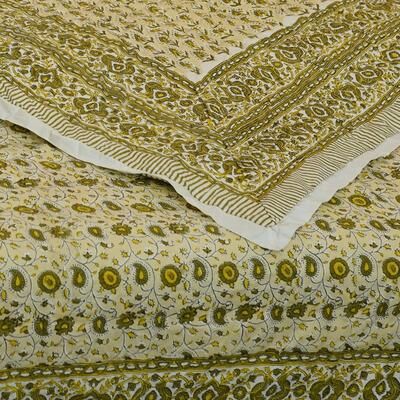
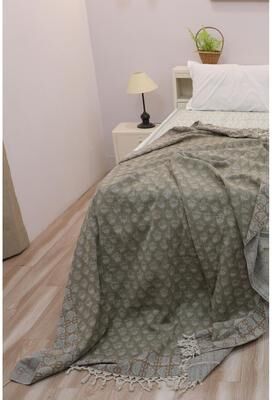
"Fabdivine Chhatri Vintage Handwoven Organic Cotton Blanket - Block Printed Floral Bedding Throw, Artisan Home Décor, 90"" x 54"""The Chhatri Vintage Handwoven Organic Cotton Blanket is a heritage-inspired artisan throw that combines traditional handloom craftsmanship, vintage charm, and cozy home décor.124,99 $*Shipping: 0,00 $Secure redirect to the provider


-
How much does a bacterium weigh?
The weight of a bacterium can vary depending on the species and size of the bacterium. On average, a single bacterium can weigh anywhere from 0.3 to 2.5 femtograms (a femtogram is one quadrillionth of a gram). This means that a bacterium is extremely small and lightweight, making it difficult to measure using traditional scales. However, when considering the vast number of bacteria in a typical environment, their collective weight can be significant. **
-
At what hour was there a bacterium?
There was a bacterium at every hour of the day, as bacteria are constantly present in our environment. Bacteria are microscopic organisms that can be found in various places such as soil, water, and even on our skin. Their presence is not limited to a specific time of day, as they are always around us. **
-
What is the name of this bacterium?
This bacterium is called Escherichia coli, commonly known as E. coli. It is a type of bacteria that is commonly found in the intestines of humans and animals. E. coli can have both harmful and beneficial effects, depending on the strain and the circumstances in which it is found. **
-
How do you calculate the offspring number of a bacterium?
To calculate the offspring number of a bacterium, you need to know the generation time of the bacterium, which is the time it takes for one bacterium to divide into two. You then divide the total time available for growth by the generation time to determine how many generations can occur. Finally, you raise 2 to the power of the number of generations to calculate the total number of offspring produced by the bacterium. This formula is represented as: Offspring number = 2^(time available for growth / generation time). **

How do you calculate the offspring number of a bacterium 2?
To calculate the offspring number of a bacterium 2, you would need to know the generation time of the bacterium, which is the time it takes for one bacterium to divide into two. You would then divide the total time available for reproduction by the generation time to determine how many divisions can occur. Each division represents the creation of two offspring, so multiplying the number of divisions by 2 will give you the offspring number of bacterium 2. **
What does it mean for the bacterium to be gram-negative?
Gram-negative bacteria have a cell wall structure that is characterized by a thin layer of peptidoglycan surrounded by an outer membrane. This outer membrane contains lipopolysaccharides, which make the cell wall impermeable to certain substances, including some antibiotics. The Gram-negative classification is based on the results of the Gram staining technique, where these bacteria appear pink or red under a microscope. This classification is important for identifying and treating bacterial infections, as Gram-negative bacteria often require different antibiotics and treatment approaches compared to Gram-positive bacteria. **
Top-Angebote
Products related to Bacterium:
-
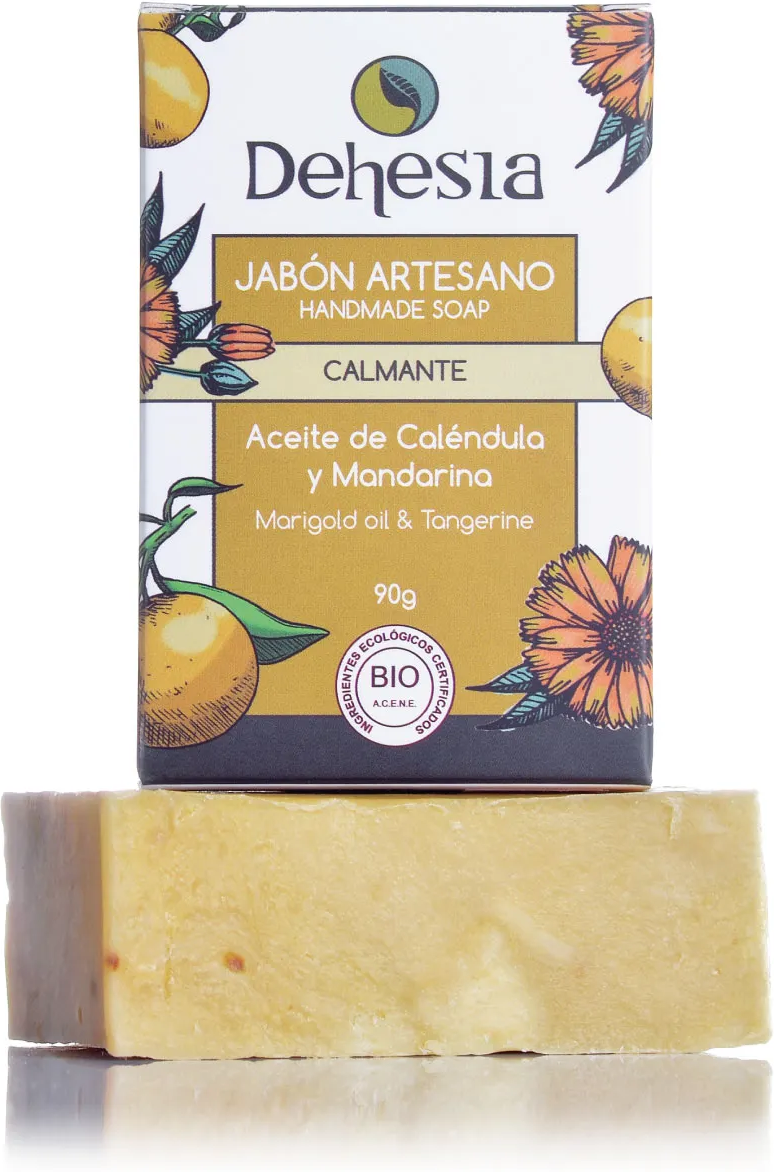
Dehesia Organic Soothing Artisan Soap 100 grHealth and Beauty Corporal hygiene Dehesia Organic Soothing Artisan Soap 100 gr What is Dehesia Organic Soothing Handmade Soap 100g? Dehesia Organic Soothing Artisan Soap 100g is a natural product specially designed to care for and protect the skin. Made with selected organic ingredients, this artisan soap combines moisturizing and softening properties, offering a unique cleansing experience. Its organic formula focuses on minimizing the use of harmful chemicals, making it a perfect choice for those seeking products that respect the environment and their health. This soap, weighing 100 grams, is ideal for both daily use and relaxing moments. Benefits: The benefits of Dehesia Organic Soothing Artisan Soap are multiple and notable: • **Deep hydration:** Its formula rich in natural oils provides intense hydration, leaving the skin soft and nourished. • **Soothing properties:** Perfect for sensitive skin, helps reduce irritation and redness. • **Antioxidant effect:** Organic ingredients help protect the skin from free radicals, promoting a healthier complexion. • **Relaxing aroma:** Its natural fragrance provides a feeling of well-being and calm, ideal for moments of stress. • **Versatile Use:** Suitable for all skin types, making it perfect for the whole family. Who is it for? Dehesia Organic Soothing Handmade Soap 100 gr is ideal for: • **People with sensitive skin:** Its gentle formula is perfect for those who suffer from skin reactions. • **Natural Lovers:** For those who prefer products without harmful chemicals and with organic ingredients. • **Families:** Safe for use by adults and children, providing care for the entire family's skin. • **People seeking relaxation:** Ideal for those seeking a moment of tranquility through its aroma and calming properties. How do I apply it? Using Dehesia Organic Soothing Artisan Soap is very simple: 1. **Moisten your skin:** Wet your skin with warm water to open your pores and prepare your skin for cleansing. 2. **Apply the soap:** Rub the soap between your hands or directly onto your skin to create a gentle lather. 3. **Massage:** Apply the foam in circular movements for a deep and relaxing cleansing. 4. **Rinse:** Rinse with plenty of water to remove the soap and enjoy the softness it leaves behind. 5. **Dry gently:** Use a clean towel to dry your skin without rubbing. Buy Dehesia Organic Soothing Artisan Soap 100 gr If you're looking for a soap that combines quality, effectiveness, and respect for the environment, don't hesitate to buy Dehesia Organic Soothing Artisanal Soap 100g. This product not only cares for your skin but also contributes to the well-being of the planet. Visit our online store and experience the benefits of this wonderful soap. Your skin will thank you! Discover Dehesia Organic Soothing Artisanal Soap 100g, the natural care your skin needs. Buy now!3,23 £*Shipping: 3,99 £Secure redirect to the provider
-
"SHORELINE Napkins - Handmade Organic Cotton, Fair Trade, Eco-Dyed Artisan-Made by Sustainable Threads 20""x20"" (Set of 2)"SHORELINE Handwoven Organic Cotton Napkins Naturally elegant and thoughtfully crafted, the Shoreline napkins are woven from indigenous, drought-resistant organic cotton using traditional handspun yarns and botanical dyes.46,00 $*Shipping: 0,00 $Secure redirect to the provider
-
How long does a bacterium live?
The lifespan of a bacterium can vary greatly depending on the species and environmental conditions. Some bacteria can live for just a few hours, while others can survive for hundreds of years. On average, bacteria typically have a lifespan ranging from a few hours to several days. However, under ideal conditions, some bacteria have the potential to live indefinitely through continuous reproduction. **
-
Does a bacterium have a nucleus?
No, a bacterium does not have a nucleus. Bacteria are prokaryotic organisms, meaning they lack a membrane-bound nucleus. Instead, their genetic material is found in a single circular chromosome located in the nucleoid region of the cell. This genetic material is not enclosed within a nuclear membrane like in eukaryotic cells. **
-
How much does a bacterium weigh?
The weight of a bacterium can vary depending on the species and size of the bacterium. On average, a single bacterium can weigh anywhere from 0.3 to 2.5 femtograms (a femtogram is one quadrillionth of a gram). This means that a bacterium is extremely small and lightweight, making it difficult to measure using traditional scales. However, when considering the vast number of bacteria in a typical environment, their collective weight can be significant. **
-
At what hour was there a bacterium?
There was a bacterium at every hour of the day, as bacteria are constantly present in our environment. Bacteria are microscopic organisms that can be found in various places such as soil, water, and even on our skin. Their presence is not limited to a specific time of day, as they are always around us. **
Similar search terms for Bacterium
-
"Fabdivine Chhatri Vintage Handwoven Organic Cotton Blanket - Block Printed Floral Bedding Throw, Artisan Home Décor, 90"" x 54"""The Chhatri Vintage Handwoven Organic Cotton Blanket is a heritage-inspired artisan throw that combines traditional handloom craftsmanship, vintage charm, and cozy home décor.124,99 $*Shipping: 0,00 $Secure redirect to the provider
-
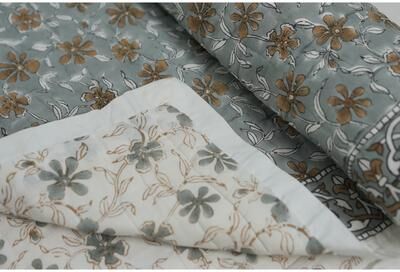
Fabdivine Hand Block Print Blue White Floral 100% Cotton Quilt - Handmade Reversible Organic Boho Bedding for Bedroom & SofaEnhance your bedroom or living space with the timeless charm of the Fabdivine Hand Block Print Blue White Floral Cotton Quilt.334,99 $*Shipping: 0,00 $Secure redirect to the provider
-
What is the name of this bacterium?
This bacterium is called Escherichia coli, commonly known as E. coli. It is a type of bacteria that is commonly found in the intestines of humans and animals. E. coli can have both harmful and beneficial effects, depending on the strain and the circumstances in which it is found. **
-
How do you calculate the offspring number of a bacterium?
To calculate the offspring number of a bacterium, you need to know the generation time of the bacterium, which is the time it takes for one bacterium to divide into two. You then divide the total time available for growth by the generation time to determine how many generations can occur. Finally, you raise 2 to the power of the number of generations to calculate the total number of offspring produced by the bacterium. This formula is represented as: Offspring number = 2^(time available for growth / generation time). **
-
How do you calculate the offspring number of a bacterium 2?
To calculate the offspring number of a bacterium 2, you would need to know the generation time of the bacterium, which is the time it takes for one bacterium to divide into two. You would then divide the total time available for reproduction by the generation time to determine how many divisions can occur. Each division represents the creation of two offspring, so multiplying the number of divisions by 2 will give you the offspring number of bacterium 2. **
-
What does it mean for the bacterium to be gram-negative?
Gram-negative bacteria have a cell wall structure that is characterized by a thin layer of peptidoglycan surrounded by an outer membrane. This outer membrane contains lipopolysaccharides, which make the cell wall impermeable to certain substances, including some antibiotics. The Gram-negative classification is based on the results of the Gram staining technique, where these bacteria appear pink or red under a microscope. This classification is important for identifying and treating bacterial infections, as Gram-negative bacteria often require different antibiotics and treatment approaches compared to Gram-positive bacteria. **
* All prices are inclusive of VAT and, if applicable, plus shipping costs. The offer information is based on the details provided by the respective shop and is updated through automated processes. Real-time updates do not occur, so deviations can occur in individual cases. ** Note: Parts of this content were created by AI.