Buy iddergem.eu ?
We are moving the project
iddergem.eu .
Are you interested in purchasing the domain
iddergem.eu ?
domain@kv-gmbh.de · 0541-91531010
Buy iddergem.eu ?
Unicellular species
Unicellular species are organisms that consist of a single cell, as opposed to multicellular organisms that are made up of multiple cells. These single-celled organisms can carry out all the necessary functions for life within that one cell, including obtaining nutrients, reproducing, and responding to their environment. Examples of unicellular species include bacteria, archaea, protists, and some types of algae. Despite their simple structure, unicellular species play important roles in various ecosystems and can have significant impacts on the environment. **
'Unicellular species'
Unicellular species are organisms that consist of only a single cell. These organisms carry out all of the necessary functions for life within this single cell, including obtaining nutrients, reproducing, and responding to their environment. Examples of unicellular species include bacteria, archaea, and protists. Despite being simple in structure, unicellular species can be highly diverse and have adapted to thrive in a wide range of environments. **


Similar search terms for Unicellular
Top-Angebote
Products related to Unicellular:
-
Aten KA7170 Local Transmitter - KVM / USB extenderDescription The ATEN KA7170 is a compact USB KVM transmitter designed to extend keyboard, mouse and VGA signals over a network connection. It provides a practical solution for managing computers and servers from a remote location. The transmitter connects to the computer using USB Type A and VGA HD-15 connections, while its RJ-45 link provides the connection to compatible KVM equipment. Its wired design delivers reliable communication without requiring a wireless network. With a maximum transmission distance of up to 50 metres, the KA7170 is suitable for server rooms, data centres and professional IT environments where equipment may need to be located away from the operator. The unit supports video resolutions up to 1600 x 1200 according to the exact Currys specification. Link and activity indicators provide useful status information during operation. Its compact external form factor measures 4.3 x 9 x 2.3 cm and weighs approximately 100g. Firmware can also be upgraded, helping maintain compatibility and functionality over time.147,49 £*Shipping: 0,00 £Secure redirect to the provider
-
JONATHAN Y Evan Modern Rustic Organic Curve Indoor/Outdoor Shaped Area RugThis modern outdoor rug combines an abstract shape with soft colors. Woven from synthetic fibers, this easy-care rug is both rustic and refined. Use it outdoors on a porch, or in the living room, entry, bedroom or dining room.138,75 $*Shipping: 0,00 $Secure redirect to the provider
-
Sagebrook Home Ceramic Table Vase Rustic Handles Textured Artisan Decorative AccentBlending style and function, this ceramic amphora table vase features a textured glaze and elegant vessel silhouette that elevate both modern and traditional interiors.29,29 $*Shipping: 0,00 $Secure redirect to the provider



-
What were the non-organic first living organisms - unicellular organisms, if we consider paramecia and amoebas as the first unicellular organisms?
The non-organic first living organisms were likely simple organic molecules that formed through chemical reactions in the early Earth's environment. These molecules eventually combined to form the first unicellular organisms, such as paramecia and amoebas. These unicellular organisms were likely the result of a gradual process of chemical evolution, where simple organic molecules organized themselves into more complex structures capable of exhibiting life-like properties. This process eventually led to the emergence of the first living organisms on Earth. **
-
What are eukaryotic unicellular organisms?
Eukaryotic unicellular organisms are single-celled organisms that have a true nucleus enclosed within a membrane. They belong to the domain Eukarya and can be found in various environments such as water, soil, and even inside other organisms. Examples of eukaryotic unicellular organisms include protists like amoebas, paramecia, and algae. These organisms can carry out all the necessary functions for life within a single cell. **
-
Are plants unicellular or multicellular?
Plants are multicellular organisms. **
-
What are unicellular and multicellular organisms?
Unicellular organisms are living things that are made up of only one cell. This means that all of their life processes, such as obtaining nutrients, reproducing, and responding to their environment, occur within a single cell. Examples of unicellular organisms include bacteria, protozoa, and some types of algae. On the other hand, multicellular organisms are made up of more than one cell. These cells are specialized to perform different functions within the organism, such as muscle cells for movement, nerve cells for communication, and skin cells for protection. Multicellular organisms include plants, animals, and fungi. The cells in multicellular organisms work together to support the overall function and survival of the organism. **
What are the differences between unicellular and multicellular organisms?
Unicellular organisms are made up of a single cell, while multicellular organisms are made up of multiple cells. Unicellular organisms carry out all life processes within a single cell, while multicellular organisms have specialized cells that perform specific functions. Multicellular organisms have a higher level of organization and complexity compared to unicellular organisms. Additionally, multicellular organisms have a division of labor among cells, allowing for more efficient functioning and larger size. **
How did the unicellular organism evolve into a multicellular organism?
The evolution of unicellular organisms into multicellular organisms is believed to have occurred through a process called coloniality. Initially, unicellular organisms formed colonies where individual cells worked together for survival. Over time, some cells within these colonies specialized in specific functions, leading to the development of multicellular organisms with different cell types. This specialization allowed for more complex structures and functions, ultimately leading to the evolution of multicellular organisms. **
Top-Angebote
Products related to Unicellular:
-
"SHORELINE Napkins - Handmade Organic Cotton, Fair Trade, Eco-Dyed Artisan-Made by Sustainable Threads 20""x20"" (Set of 2)"SHORELINE Handwoven Organic Cotton Napkins Naturally elegant and thoughtfully crafted, the Shoreline napkins are woven from indigenous, drought-resistant organic cotton using traditional handspun yarns and botanical dyes.46,00 $*Shipping: 0,00 $Secure redirect to the provider
-
Urban Decay Vice Lipstick Reno-LocalDiscover the ultimate Vice Lipstick, a super-pigmented, longwear vegan lipstick designed to deliver high-impact, long-lasting color in a single, hydrating swipe. This creamy, moisturizing formula ensures your lips feel nourished and hydrated, forgetting dry, flaky lip concerns thanks to the infusion of aloe vera and avocado oil—ingredients known to be rich in antioxidants. Explore 35 Los Angeles-inspired shades, encompassing everything from sheer pink and everyday nude lipstick to bold bright orange and red lipstick, available in three vibrant and comfortable finishes: cream, matte, and shine. Upgrade your makeup routine with this essential, vegan lip color that offers comfy, even coverage and a smooth application, making it the perfect choice for on-the-go beauty lovers everywhere who demand quality and hydration in their long-lasting lipsticks. Ingredients: ISONONYL ISONONANOATE, OCTYLDODECANOL, OLEYL ERUCATE, SILICA, PHENYL TRIMETHICONE, POLYETHYLENE, SESAMUM INDICUM SEED OIL / SESAME SEED OIL, PARAFFIN, CI 77491 / IRON OXIDES, CI 77891 / TITANIUM DIOXIDE, PEG-45/DODECYL GLYCOL COPOLYMER, CERA MICROCRISTALLINA / MICROCRYSTALLINE WAX / CIRE MICROCRISTALLINE, DIMETHICONE, CI 77492 / IRON OXIDES, KAOLIN, CI 77499 / IRON OXIDES, SYNTHETIC WAX, DISTEARDIMONIUM HECTORITE, TOCOPHERYL ACETATE, DIMETHICONE CROSSPOLYMER, PENTAERYTHRITYL TETRA-DI-T-BUTYL HYDROXYHYDROCINNAMATE, PERSEA GRATISSIMA OIL / AVOCADO OIL, ALUMINUM HYDROXIDE, ISOPROPYL PALMITATE, ISOPROPYL MYRISTATE, TRIETHOXYCAPRYLYLSILANE, ALOE BARBADENSIS LEAF EXTRACT, TOCOPHEROL, HYDROGENATED PALM GLYCERIDES CITRATE, HELIANTHUS ANNUUS SEED OIL / SUNFLOWER SEED OIL, ROSMARINUS OFFICINALIS LEAF EXTRACT / ROSEMARY LEAF EXTRACT.24,00 £*Shipping: 2,95 £Secure redirect to the provider
-
Aten KA7170 Local Transmitter - KVM / USB extenderDescription The ATEN KA7170 is a compact USB KVM transmitter designed to extend keyboard, mouse and VGA signals over a network connection. It provides a practical solution for managing computers and servers from a remote location. The transmitter connects to the computer using USB Type A and VGA HD-15 connections, while its RJ-45 link provides the connection to compatible KVM equipment. Its wired design delivers reliable communication without requiring a wireless network. With a maximum transmission distance of up to 50 metres, the KA7170 is suitable for server rooms, data centres and professional IT environments where equipment may need to be located away from the operator. The unit supports video resolutions up to 1600 x 1200 according to the exact Currys specification. Link and activity indicators provide useful status information during operation. Its compact external form factor measures 4.3 x 9 x 2.3 cm and weighs approximately 100g. Firmware can also be upgraded, helping maintain compatibility and functionality over time.147,49 £*Shipping: 0,00 £Secure redirect to the provider
-
Unicellular species
Unicellular species are organisms that consist of a single cell, as opposed to multicellular organisms that are made up of multiple cells. These single-celled organisms can carry out all the necessary functions for life within that one cell, including obtaining nutrients, reproducing, and responding to their environment. Examples of unicellular species include bacteria, archaea, protists, and some types of algae. Despite their simple structure, unicellular species play important roles in various ecosystems and can have significant impacts on the environment. **
-
'Unicellular species'
Unicellular species are organisms that consist of only a single cell. These organisms carry out all of the necessary functions for life within this single cell, including obtaining nutrients, reproducing, and responding to their environment. Examples of unicellular species include bacteria, archaea, and protists. Despite being simple in structure, unicellular species can be highly diverse and have adapted to thrive in a wide range of environments. **
-
What were the non-organic first living organisms - unicellular organisms, if we consider paramecia and amoebas as the first unicellular organisms?
The non-organic first living organisms were likely simple organic molecules that formed through chemical reactions in the early Earth's environment. These molecules eventually combined to form the first unicellular organisms, such as paramecia and amoebas. These unicellular organisms were likely the result of a gradual process of chemical evolution, where simple organic molecules organized themselves into more complex structures capable of exhibiting life-like properties. This process eventually led to the emergence of the first living organisms on Earth. **
-
What are eukaryotic unicellular organisms?
Eukaryotic unicellular organisms are single-celled organisms that have a true nucleus enclosed within a membrane. They belong to the domain Eukarya and can be found in various environments such as water, soil, and even inside other organisms. Examples of eukaryotic unicellular organisms include protists like amoebas, paramecia, and algae. These organisms can carry out all the necessary functions for life within a single cell. **
Similar search terms for Unicellular
-
JONATHAN Y Evan Modern Rustic Organic Curve Indoor/Outdoor Shaped Area RugThis modern outdoor rug combines an abstract shape with soft colors. Woven from synthetic fibers, this easy-care rug is both rustic and refined. Use it outdoors on a porch, or in the living room, entry, bedroom or dining room.138,75 $*Shipping: 0,00 $Secure redirect to the provider
-
Sagebrook Home Ceramic Table Vase Rustic Handles Textured Artisan Decorative AccentBlending style and function, this ceramic amphora table vase features a textured glaze and elegant vessel silhouette that elevate both modern and traditional interiors.29,29 $*Shipping: 0,00 $Secure redirect to the provider
-
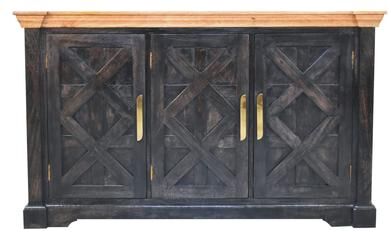
Artisan Furniture Solid Wood Regal Ash Black Rustic Sideboard - N/AThe Regal Noir Sideboard blends rustic charm with modern elegance. Featuring an ash black finish and natural oak-ish top constructed from 100% solid mango wood, its cross-panel doors and brass handles add a sophisticated touch.1570,99 $*Shipping: 0,00 $Secure redirect to the provider
-
Are plants unicellular or multicellular?
Plants are multicellular organisms. **
-
What are unicellular and multicellular organisms?
Unicellular organisms are living things that are made up of only one cell. This means that all of their life processes, such as obtaining nutrients, reproducing, and responding to their environment, occur within a single cell. Examples of unicellular organisms include bacteria, protozoa, and some types of algae. On the other hand, multicellular organisms are made up of more than one cell. These cells are specialized to perform different functions within the organism, such as muscle cells for movement, nerve cells for communication, and skin cells for protection. Multicellular organisms include plants, animals, and fungi. The cells in multicellular organisms work together to support the overall function and survival of the organism. **
-
What are the differences between unicellular and multicellular organisms?
Unicellular organisms are made up of a single cell, while multicellular organisms are made up of multiple cells. Unicellular organisms carry out all life processes within a single cell, while multicellular organisms have specialized cells that perform specific functions. Multicellular organisms have a higher level of organization and complexity compared to unicellular organisms. Additionally, multicellular organisms have a division of labor among cells, allowing for more efficient functioning and larger size. **
-
How did the unicellular organism evolve into a multicellular organism?
The evolution of unicellular organisms into multicellular organisms is believed to have occurred through a process called coloniality. Initially, unicellular organisms formed colonies where individual cells worked together for survival. Over time, some cells within these colonies specialized in specific functions, leading to the development of multicellular organisms with different cell types. This specialization allowed for more complex structures and functions, ultimately leading to the evolution of multicellular organisms. **
* All prices are inclusive of VAT and, if applicable, plus shipping costs. The offer information is based on the details provided by the respective shop and is updated through automated processes. Real-time updates do not occur, so deviations can occur in individual cases. ** Note: Parts of this content were created by AI.