Buy iddergem.eu ?
We are moving the project
iddergem.eu .
Are you interested in purchasing the domain
iddergem.eu ?
domain@kv-gmbh.de · 0541-91531010
Buy iddergem.eu ?
What is the difference between conditional and conditional?
The question seems to have a typo. It appears to be asking for the difference between "conditional" and "condition." A "conditional" typically refers to something that is dependent on a certain condition or situation, such as an "if-then" statement in programming or a requirement that must be met. On the other hand, a "condition" is the specific circumstance or state that must be satisfied for the conditional to be true or for something to happen. In essence, a condition sets the criteria for a conditional to be applicable or valid. **
What are signal words for Conditional 1 and Conditional 2?
Signal words for Conditional 1 include "if," "when," "unless," and "provided that." These words indicate a possible future condition and its likely result. Signal words for Conditional 2 include "would," "could," "might," and "should." These words suggest a hypothetical or unlikely condition and its potential outcome. **

Similar search terms for Conditional
Top-Angebote
Products related to Conditional:
-
"SHORELINE Napkins - Handmade Organic Cotton, Fair Trade, Eco-Dyed Artisan-Made by Sustainable Threads 20""x20"" (Set of 2)"SHORELINE Handwoven Organic Cotton Napkins Naturally elegant and thoughtfully crafted, the Shoreline napkins are woven from indigenous, drought-resistant organic cotton using traditional handspun yarns and botanical dyes.46,00 $*Shipping: 0,00 $Secure redirect to the provider
-
"Fabdivine Chhatri Vintage Handwoven Organic Cotton Blanket - Block Printed Floral Bedding Throw, Artisan Home Décor, 90"" x 54"""The Chhatri Vintage Handwoven Organic Cotton Blanket is a heritage-inspired artisan throw that combines traditional handloom craftsmanship, vintage charm, and cozy home décor.124,99 $*Shipping: 0,00 $Secure redirect to the provider




-
Is the conditional 1 the same as the conditional present?
Yes, the conditional 1 is the same as the conditional present. In English grammar, the conditional 1 is used to talk about hypothetical situations and their possible outcomes in the present or future. It is formed by using the auxiliary verb "would" followed by the base form of the main verb. This is the same structure used for the conditional present tense, making them essentially the same tense with different names. **
-
What is conditional formatting?
Conditional formatting is a feature in spreadsheet applications that allows users to apply formatting rules to cells based on specific conditions. This feature helps users to visually highlight important information, trends, or outliers in their data. For example, users can set up rules to automatically change the color of cells that meet certain criteria, such as values above a certain threshold. Conditional formatting helps to make data analysis easier and more efficient by drawing attention to key insights. **
-
Conditional, subjunctive or indicative?
The choice between conditional, subjunctive, or indicative mood depends on the context of the sentence. The conditional mood is used to express a hypothetical situation or a condition that is dependent on something else happening. The subjunctive mood is used to express wishes, recommendations, or possibilities. The indicative mood is used to state facts or ask questions. **
-
What does the Conditional express?
The Conditional expresses a situation or action that is dependent on another situation or action. It is used to talk about hypothetical or possible events in the future, and it often involves the use of the words "if" or "when." The Conditional helps to convey the idea of cause and effect, and it allows us to discuss potential outcomes based on certain conditions being met. **


How is the conditional formed?
The conditional in English is formed by using the modal verb "would" followed by the base form of the main verb. For example, "I would go" or "She would study." The conditional is used to talk about hypothetical situations, future possibilities, or polite requests. It is important to note that the conditional is often used with an "if" clause to show the condition that must be met for the action to take place. **
What is a conditional probability?
A conditional probability is the probability of an event occurring given that another event has already occurred. It is denoted as P(A|B), where A is the event we are interested in and B is the event that has already occurred. The conditional probability is calculated by dividing the probability of both events occurring by the probability of the given event occurring. Conditional probability is used to update our beliefs about the likelihood of an event based on new information or prior knowledge. **
Top-Angebote
Products related to Conditional:
-
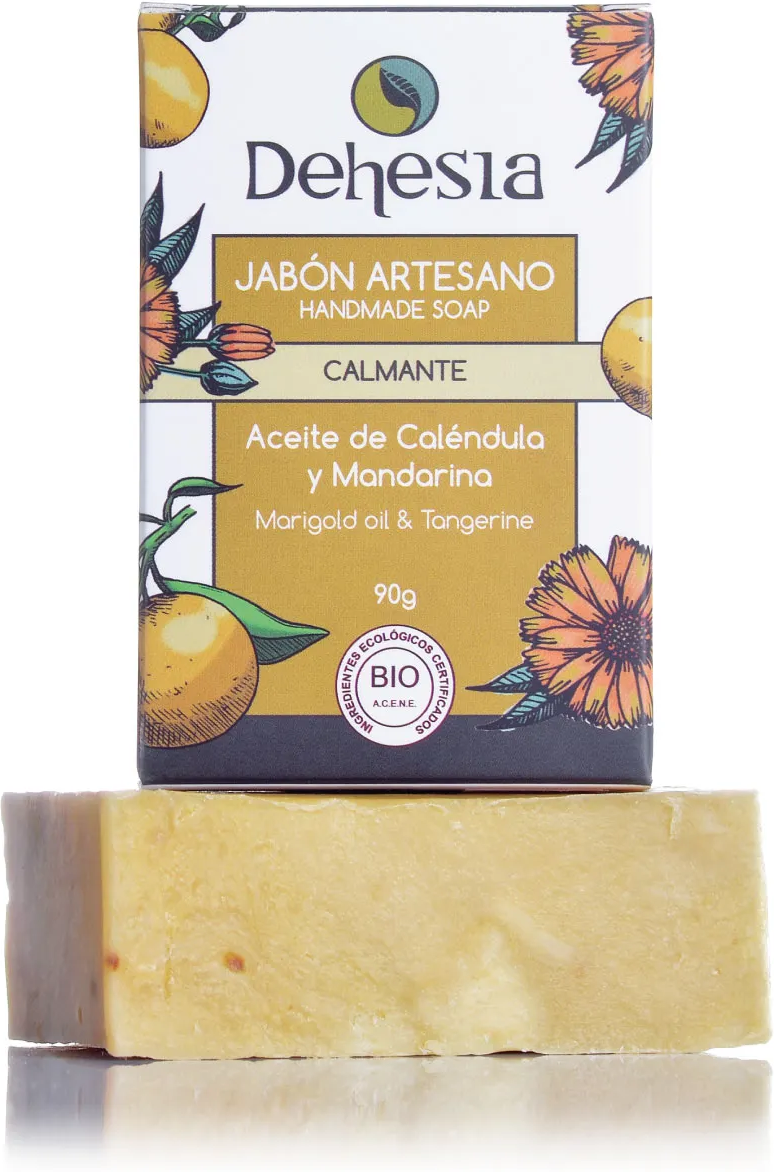
Dehesia Organic Soothing Artisan Soap 100 grHealth and Beauty Corporal hygiene Dehesia Organic Soothing Artisan Soap 100 gr What is Dehesia Organic Soothing Handmade Soap 100g? Dehesia Organic Soothing Artisan Soap 100g is a natural product specially designed to care for and protect the skin. Made with selected organic ingredients, this artisan soap combines moisturizing and softening properties, offering a unique cleansing experience. Its organic formula focuses on minimizing the use of harmful chemicals, making it a perfect choice for those seeking products that respect the environment and their health. This soap, weighing 100 grams, is ideal for both daily use and relaxing moments. Benefits: The benefits of Dehesia Organic Soothing Artisan Soap are multiple and notable: • **Deep hydration:** Its formula rich in natural oils provides intense hydration, leaving the skin soft and nourished. • **Soothing properties:** Perfect for sensitive skin, helps reduce irritation and redness. • **Antioxidant effect:** Organic ingredients help protect the skin from free radicals, promoting a healthier complexion. • **Relaxing aroma:** Its natural fragrance provides a feeling of well-being and calm, ideal for moments of stress. • **Versatile Use:** Suitable for all skin types, making it perfect for the whole family. Who is it for? Dehesia Organic Soothing Handmade Soap 100 gr is ideal for: • **People with sensitive skin:** Its gentle formula is perfect for those who suffer from skin reactions. • **Natural Lovers:** For those who prefer products without harmful chemicals and with organic ingredients. • **Families:** Safe for use by adults and children, providing care for the entire family's skin. • **People seeking relaxation:** Ideal for those seeking a moment of tranquility through its aroma and calming properties. How do I apply it? Using Dehesia Organic Soothing Artisan Soap is very simple: 1. **Moisten your skin:** Wet your skin with warm water to open your pores and prepare your skin for cleansing. 2. **Apply the soap:** Rub the soap between your hands or directly onto your skin to create a gentle lather. 3. **Massage:** Apply the foam in circular movements for a deep and relaxing cleansing. 4. **Rinse:** Rinse with plenty of water to remove the soap and enjoy the softness it leaves behind. 5. **Dry gently:** Use a clean towel to dry your skin without rubbing. Buy Dehesia Organic Soothing Artisan Soap 100 gr If you're looking for a soap that combines quality, effectiveness, and respect for the environment, don't hesitate to buy Dehesia Organic Soothing Artisanal Soap 100g. This product not only cares for your skin but also contributes to the well-being of the planet. Visit our online store and experience the benefits of this wonderful soap. Your skin will thank you! Discover Dehesia Organic Soothing Artisanal Soap 100g, the natural care your skin needs. Buy now!3,23 £*Shipping: 3,99 £Secure redirect to the provider
-
"SHORELINE Napkins - Handmade Organic Cotton, Fair Trade, Eco-Dyed Artisan-Made by Sustainable Threads 20""x20"" (Set of 2)"SHORELINE Handwoven Organic Cotton Napkins Naturally elegant and thoughtfully crafted, the Shoreline napkins are woven from indigenous, drought-resistant organic cotton using traditional handspun yarns and botanical dyes.46,00 $*Shipping: 0,00 $Secure redirect to the provider
-
What is the difference between conditional and conditional?
The question seems to have a typo. It appears to be asking for the difference between "conditional" and "condition." A "conditional" typically refers to something that is dependent on a certain condition or situation, such as an "if-then" statement in programming or a requirement that must be met. On the other hand, a "condition" is the specific circumstance or state that must be satisfied for the conditional to be true or for something to happen. In essence, a condition sets the criteria for a conditional to be applicable or valid. **
-
What are signal words for Conditional 1 and Conditional 2?
Signal words for Conditional 1 include "if," "when," "unless," and "provided that." These words indicate a possible future condition and its likely result. Signal words for Conditional 2 include "would," "could," "might," and "should." These words suggest a hypothetical or unlikely condition and its potential outcome. **
-
Is the conditional 1 the same as the conditional present?
Yes, the conditional 1 is the same as the conditional present. In English grammar, the conditional 1 is used to talk about hypothetical situations and their possible outcomes in the present or future. It is formed by using the auxiliary verb "would" followed by the base form of the main verb. This is the same structure used for the conditional present tense, making them essentially the same tense with different names. **
-
What is conditional formatting?
Conditional formatting is a feature in spreadsheet applications that allows users to apply formatting rules to cells based on specific conditions. This feature helps users to visually highlight important information, trends, or outliers in their data. For example, users can set up rules to automatically change the color of cells that meet certain criteria, such as values above a certain threshold. Conditional formatting helps to make data analysis easier and more efficient by drawing attention to key insights. **
Similar search terms for Conditional
-
"Fabdivine Chhatri Vintage Handwoven Organic Cotton Blanket - Block Printed Floral Bedding Throw, Artisan Home Décor, 90"" x 54"""The Chhatri Vintage Handwoven Organic Cotton Blanket is a heritage-inspired artisan throw that combines traditional handloom craftsmanship, vintage charm, and cozy home décor.124,99 $*Shipping: 0,00 $Secure redirect to the provider
-
Fabdivine Hand Block Print Blue White Floral 100% Cotton Quilt - Handmade Reversible Organic Boho Bedding for Bedroom & SofaEnhance your bedroom or living space with the timeless charm of the Fabdivine Hand Block Print Blue White Floral Cotton Quilt.334,99 $*Shipping: 0,00 $Secure redirect to the provider
-
Conditional, subjunctive or indicative?
The choice between conditional, subjunctive, or indicative mood depends on the context of the sentence. The conditional mood is used to express a hypothetical situation or a condition that is dependent on something else happening. The subjunctive mood is used to express wishes, recommendations, or possibilities. The indicative mood is used to state facts or ask questions. **
-
What does the Conditional express?
The Conditional expresses a situation or action that is dependent on another situation or action. It is used to talk about hypothetical or possible events in the future, and it often involves the use of the words "if" or "when." The Conditional helps to convey the idea of cause and effect, and it allows us to discuss potential outcomes based on certain conditions being met. **
-
How is the conditional formed?
The conditional in English is formed by using the modal verb "would" followed by the base form of the main verb. For example, "I would go" or "She would study." The conditional is used to talk about hypothetical situations, future possibilities, or polite requests. It is important to note that the conditional is often used with an "if" clause to show the condition that must be met for the action to take place. **
-
What is a conditional probability?
A conditional probability is the probability of an event occurring given that another event has already occurred. It is denoted as P(A|B), where A is the event we are interested in and B is the event that has already occurred. The conditional probability is calculated by dividing the probability of both events occurring by the probability of the given event occurring. Conditional probability is used to update our beliefs about the likelihood of an event based on new information or prior knowledge. **
* All prices are inclusive of VAT and, if applicable, plus shipping costs. The offer information is based on the details provided by the respective shop and is updated through automated processes. Real-time updates do not occur, so deviations can occur in individual cases. ** Note: Parts of this content were created by AI.